

Medical condition
Systemic Lupus Erythematosus (SLE)
Lupus is an autoimmune disease that can affect joints, skin, kidneys, blood and the nervous system. Disease control comes from rheumatology medication, not from rehabilitation. What rehabilitation contributes is managing fatigue, joint pain, deconditioning and the muscle loss that follows long steroid courses.
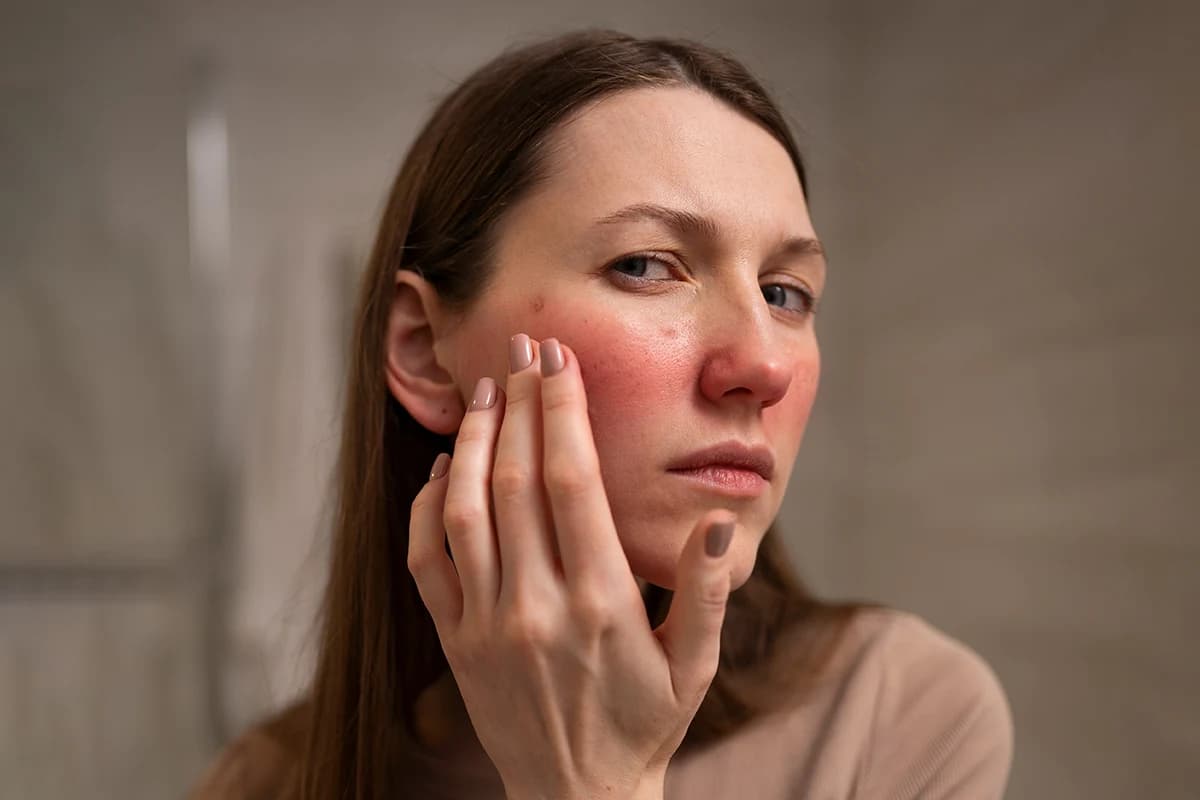
A disease that behaves differently in every patient
Lupus can present as joint pain and rash in one person and as kidney inflammation in another. It moves in flares and remissions, and the plan that suited last year may not suit this year. This is why an exercise programme written once and repeated is the wrong model here.
Fatigue is the symptom patients rate as most disabling, and it correlates poorly with blood markers. A patient can have quiet disease on paper and still be unable to work a full day.
What rehabilitation actually treats
Three things: aerobic deconditioning, the muscle loss caused by prolonged corticosteroid use, and joint pain without joint destruction. Graded aerobic exercise improves fatigue and physical capacity in lupus, and the evidence for it is reasonably consistent.
Resistance training is used cautiously and progressed slowly, particularly where steroids have thinned bone or where a patient has had avascular necrosis of the hip — a recognised complication of long steroid treatment that changes what the hip can tolerate.
What we do not claim
No physical therapy modality alters the autoimmune process. Rehabilitation does not reduce antibody levels, protect the kidney or allow a medication dose to be lowered. Anyone told otherwise should ask to see the evidence.
We also do not treat a patient in an active flare with the same programme used in remission. During a flare the plan changes to joint protection, energy management and maintaining range, and it returns to loading when the flare settles.
Sun, heat and pool work
Photosensitivity is common in lupus and outdoor sessions are planned around it. Hydrotherapy is useful because warm water reduces joint loading, but pool temperature and session length are set individually — heat intolerance is real in some patients and is not a reason to push through.
Fatigue is the symptom most affecting daily life
Fatigue in lupus is often more disabling than joint pain and it correlates poorly with disease activity markers. It responds to graded exercise, sleep work and pacing rather than to rest.
It is also the symptom patients most expect to be dismissed, so it is asked about directly and treated as a clinical problem.
How do I start exercising when fatigue is severe?
Start below what feels possible and build up gradually. European recommendations for lupus include support for physical exercise as a complement to medication, not a substitute for it 2. European fatigue recommendations advise tailored physical activity and/or psychological approaches, adjusted to disease activity and other health problems 4.
Most of the evidence comes from people with mild or inactive disease. In them, moderate-to-high intensity aerobic exercise improves aerobic capacity, supported by moderately strong evidence, while its effect on fatigue rests on more limited evidence 5. During a flare, or with kidney, heart or lung involvement, the plan is agreed with the rheumatologist rather than taken from a standard programme.
Frequently asked questions
Does exercise worsen lupus?
Why does sun matter?
Ultraviolet exposure triggers both skin and systemic flares. Outdoor exercise is planned around it and protection is part of the programme.
Can I use the hydrotherapy pool?
Usually yes, with attention to photosensitivity and to skin. Heat tolerance varies and is assessed individually.
What does rehabilitation change?
Fatigue, strength, aerobic capacity and function. It does not alter the disease, which is managed medically.
Are joint problems in lupus like rheumatoid arthritis?
They are usually less erosive but can be equally painful, and deformity in lupus is often reducible rather than fixed.
Sources
- The British Society for Rheumatology guideline for the management of systemic lupus erythematosus in adults — Rheumatology (2018)
- Parodis I, Girard-Guyonvarc'h C, Arnaud L, Distler O, et al. EULAR recommendations for the non-pharmacological management of systemic lupus erythematosus and systemic sclerosis — Annals of the Rheumatic Diseases (2024)
- Parodis I, Gomez A, Tsoi A, Chow JW, et al. Systematic literature review informing the EULAR recommendations for the non-pharmacological management of systemic lupus erythematosus and systemic sclerosis — RMD Open (2023)
- Dures E, Farisoğulları B, Santos EJF, Molto A, et al. 2023 EULAR recommendations for the management of fatigue in people with inflammatory rheumatic and musculoskeletal diseases — Annals of the Rheumatic Diseases (2024)
- Alexanderson H, Boström C. Exercise therapy in patients with idiopathic inflammatory myopathies and systemic lupus erythematosus – a systematic literature review — Best Practice & Research Clinical Rheumatology (2020)
Which therapies would I actually receive?
A therapy is a single method used inside a programme. It is measured in sessions and is not sold separately.

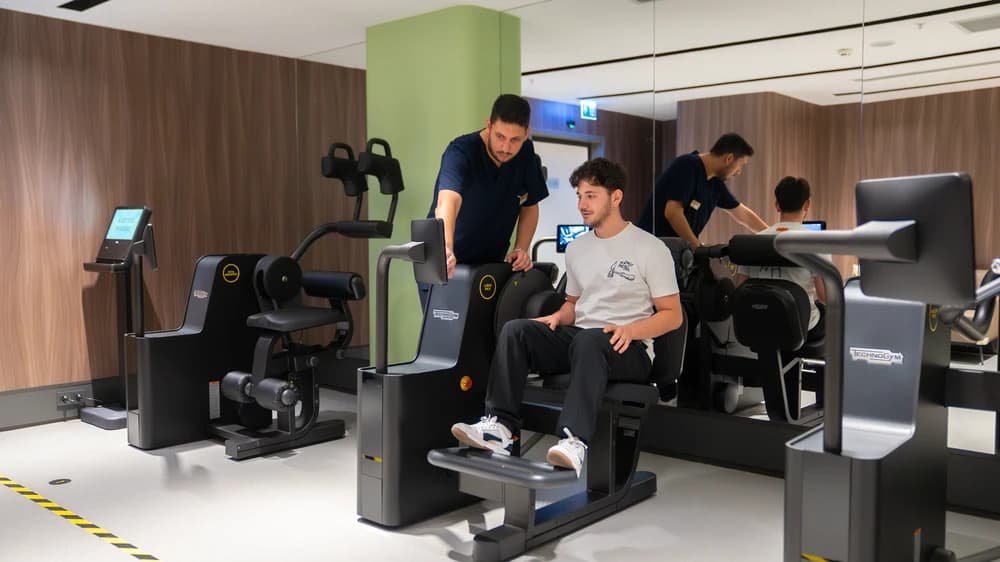
Technologies we use


Locations
Where you can receive this treatment




Related articles
Rheumatologic Is it safe to exercise with lupus?
For most people with lupus, exercise is safe and helpful. A systematic review found that exercise programmes did not worsen disease activity and improved fatigue, mood and fitness. Start gently, build up gradually, protect your skin from sunlight and adjust activity during flares. Discuss exercise with your doctor if lupus affects your heart, lungs or kidneys.Read moreNeurological How long does it take to recover from a stroke?
Most recovery after a stroke happens in the early months, when the brain is most able to reorganise, and it continues more slowly for a longer period after that. How far someone gets depends mainly on how severe the stroke was, where it happened and how much active therapy follows.Read moreNeurological Can you walk again after a stroke?
Many people walk again after a stroke, including many who cannot stand at first. The chances are highest when some leg movement returns early and when walking practice starts as soon as it is safe. Walking often comes back before full arm recovery, sometimes with a stick, splint or other support.Read more



