
Day programme
Day rehabilitation
Full therapy days without an overnight stay, for patients who are medically stable and have accommodation nearby. Same programme intensity as inpatient. It suits patients who need the intensity but not overnight nursing. Practising at home each evening is where skills transfer, because the stairs and bathroom are the real ones.
Intensive therapy without the overnight stay
Four to six hours a day, five days a week, with the same multidisciplinary team and largely the same programme content as inpatient rehabilitation — but the patient goes home or to a hotel each evening.
It suits patients who need the intensity but not the nursing: medically stable, able to travel daily, and either independent enough or supported enough at home overnight.
Why it is often the better option
Practising at home each evening is not a compromise; it is where the transfer of skills actually happens. Patients in day rehabilitation solve their real bathroom, their real stairs and their real kitchen while still under supervision, which inpatients only encounter at discharge.
Who it does not suit
Patients who need nursing care overnight, who are medically unstable, who fatigue too much to travel daily, or who would be unsafe alone. Patients travelling from abroad without a companion usually need the inpatient option at least initially.
We assess this rather than defaulting to day rehabilitation, because a patient who is unsafe at night needs inpatient care.
How it is structured
The same goal-setting, the same standardised measures, the same weekly physician review and the same written discharge plan as an inpatient programme. The difference is where you sleep, not the standard of the programme.
For international patients we can help arrange accommodation near the centre and advise on daily transport before you commit.
What you need in place to choose this
Accommodation close enough that daily travel does not consume the energy the therapy needs, someone with you overnight in most cases, and enough medical stability that no nursing is required outside therapy hours.
We help arrange accommodation. If travel time or the overnight arrangement is not workable, we recommend inpatient rehabilitation instead.
Moving between levels during a stay
Many patients begin as inpatients and step down to day rehabilitation partway through, sleeping at a hotel with a companion and coming in for a full therapy day. This is planned in advance with stated criteria rather than improvised.
It also runs the other way: if fatigue, a medical problem or a fall makes the overnight arrangement unsafe, we move back. The level serves the patient rather than the booking.
Is there evidence for rehabilitation without an overnight stay?
Evidence comes mainly from two related models of care. A Cochrane review of 16 trials with 3,689 older people found that medical day hospitals led to fewer deaths or poor outcomes than no comprehensive care, and showed no clear difference from comprehensive care given in other settings; the evidence was of low quality 1.
After stroke, a Cochrane review of 17 trials with 2,422 participants examined leaving hospital earlier, with rehabilitation continued in the community 2. Hospital stays were about six days shorter, there were five fewer people dead or dependent per 100, and readmissions were similar 2. The benefit was clearest when a co-ordinated multidisciplinary team delivered the service, and in people with mild to moderate disability 2.
Sources
- Brown L, Forster A, Young J, Crocker T, et al. Medical day hospital care for older people versus alternative forms of care — Cochrane Database of Systematic Reviews (2015)
- Langhorne P, Baylan S, Early Supported Discharge Trialists. Early supported discharge services for people with acute stroke — Cochrane Database of Systematic Reviews (2017)
- Buhagiar MA, Naylor JM, Harris IA, Xuan W, et al. Effect of Inpatient Rehabilitation vs a Monitored Home-Based Program on Mobility in Patients With Total Knee Arthroplasty: The HIHO Randomized Clinical Trial — JAMA (2017)
Conditions this programme treats
The 10 conditions this programme is built for, grouped by area.

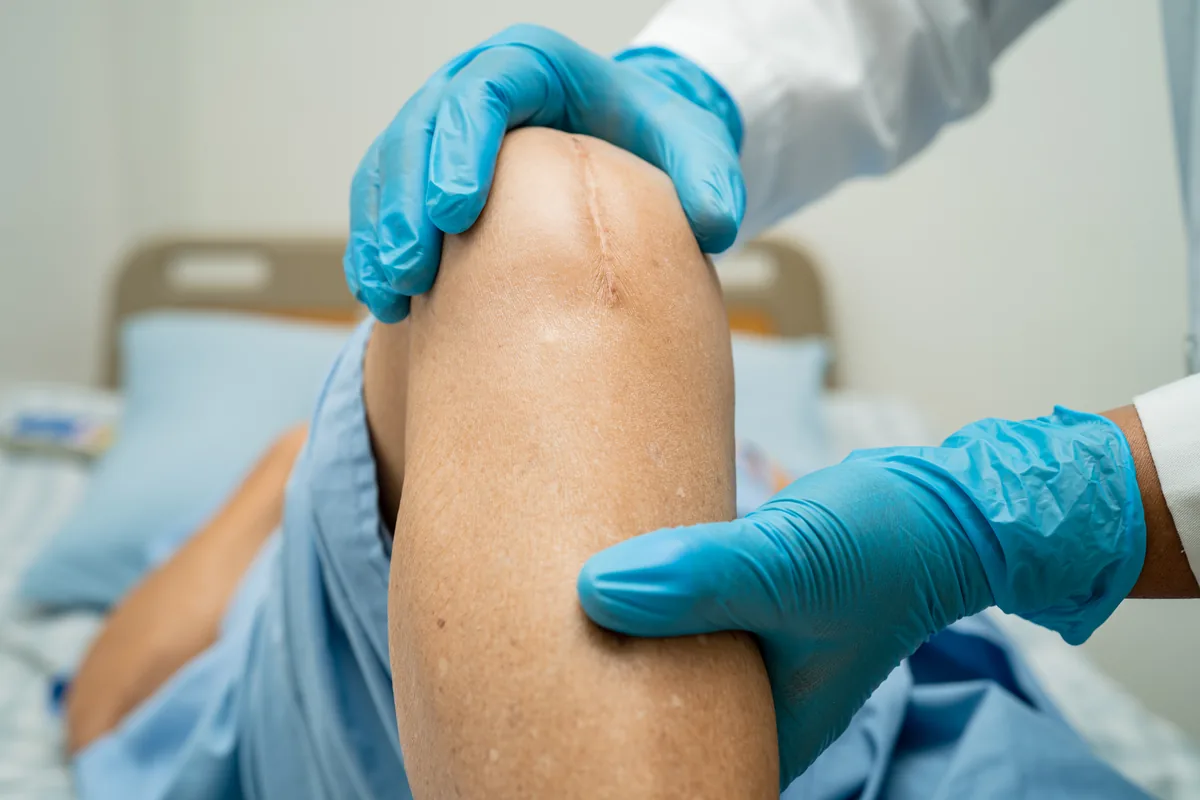
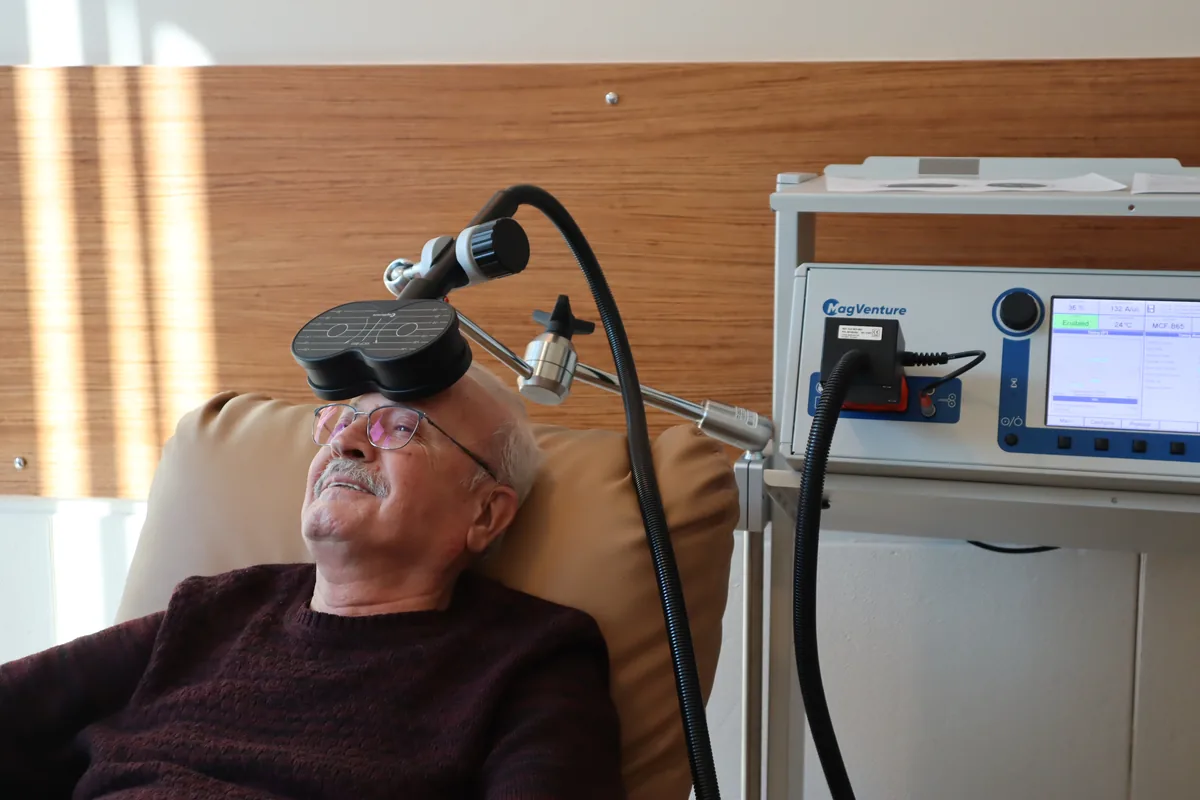
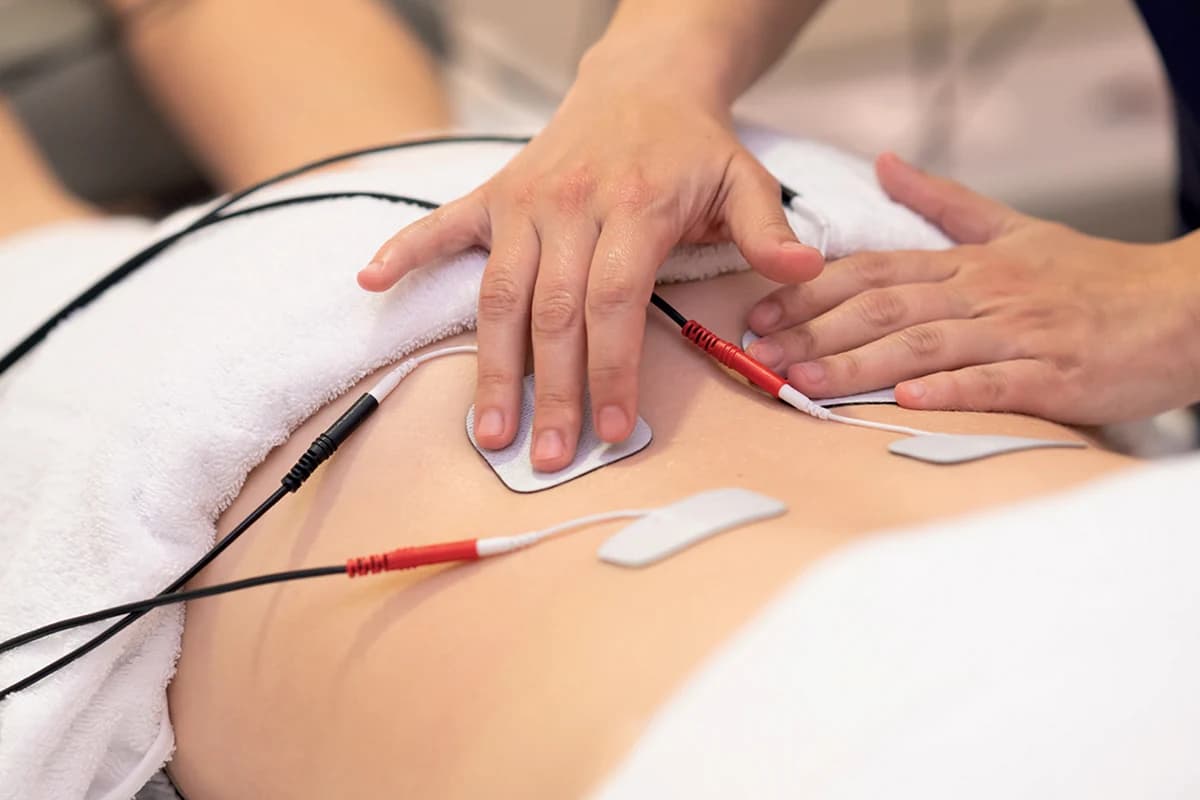
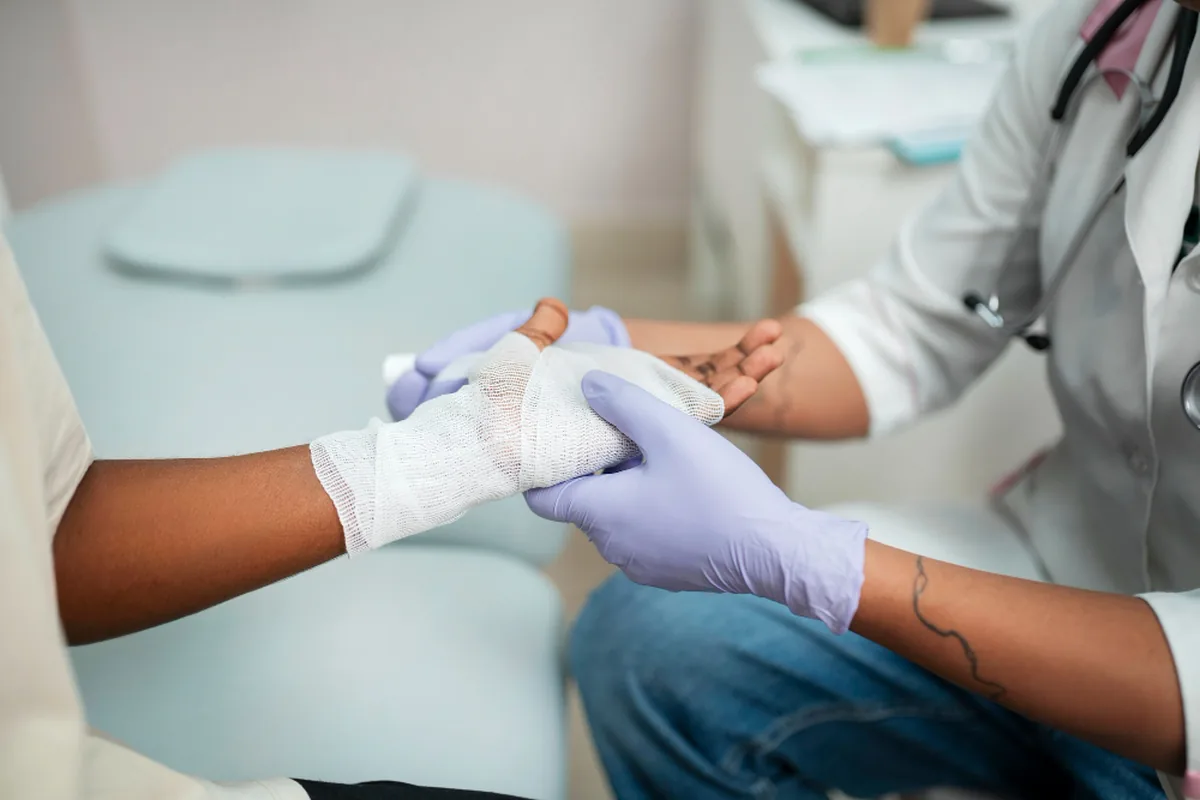




The programme is chosen after a rehabilitation physician has read your records — not from this page.
Your path to this treatment
Nothing here is booked from a page. You send the records you have, a rehabilitation physician reads them, and you get a written answer — including when the answer is that an intensive programme will not help.
4 steps, start to finish
1.Send your records
A discharge summary from the hospital that treated the original event, and any imaging of the affected area — CT, MRI or X-ray.2.A written plan in 48 hours
A rehabilitation physician reviews the case and returns the expected duration, the recommended programme and the centre. Free, no obligation.3.Travel and admission
Where a visa is needed we issue an invitation letter and treatment confirmation naming the dates and the facility. You are met at the airport and driven to the centre by private vehicle or ambulance; a bed for one companion and interpreting during therapy are arranged.4.Treatment, then home
The programme runs, then you leave with a discharge report and a written home exercise plan. Your return journey is organised before you go, with scheduled video reviews so progress does not stop.
In their words
What patients say after a programme
Short videos filmed during therapy: a child’s rehabilitation after a brain tumour, suspended gait training after spinal cord injury, and learning to walk again after a fall. Individual results vary.
Dave Evans on his physical therapy here
Musculoskeletal physiotherapy
Paediatric rehabilitation after a brain tumour
Inside a physiotherapy session
Spinal cord injury — the rehabilitation process
Suspension-assisted gait training
Walking difficulty and restricted movement after a fall
Regaining gait and range of motion
Locations
Where this programme runs — pick a centre.






Questions people actually ask
About this programme
Is day rehabilitation less effective than inpatient?
No, where it is appropriate. The therapy day is the same; what differs is where the night is spent. Effectiveness drops only when it is chosen for someone who actually needed overnight supervision.
Do I need a companion?
In most cases yes, particularly where transfers or falls risk are involved. Some independent patients manage alone and that is assessed individually rather than assumed.
What if I get tired travelling in every day?
Then the arrangement is not working and we change it. Travel that consumes an hour each way defeats the purpose, which is why accommodation is arranged nearby.
Can I switch to inpatient if needed?
Yes, subject to availability, and it happens often enough to be planned for rather than treated as a failure.
Is day rehabilitation enough after a knee replacement?
Usually, if the operation was uncomplicated. In a randomised trial of 165 patients after knee replacement, ten days of inpatient rehabilitation followed by a home programme did not improve walking at 26 weeks compared with a monitored home programme alone 3. Complex surgery, other medical conditions or no support at home can change that answer, which is what the assessment checks.



