
Outpatient
Outpatient physiotherapy
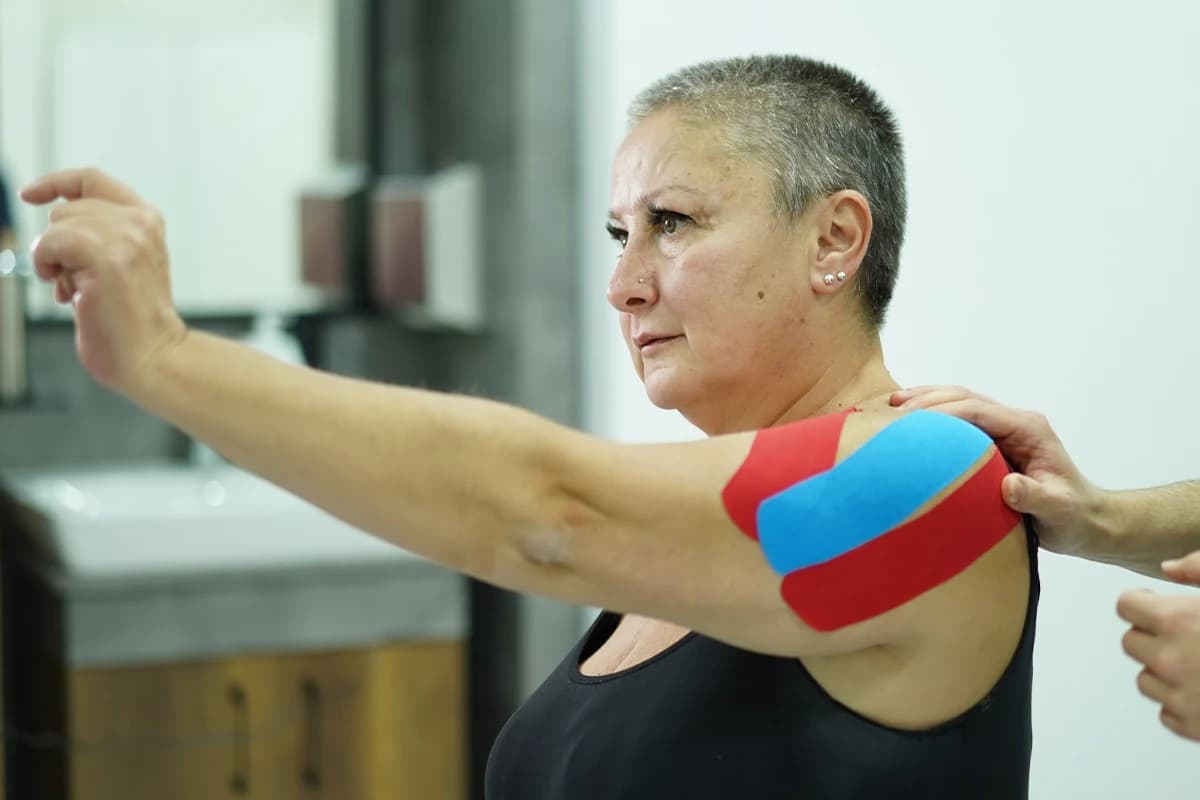
Session-based physiotherapy for musculoskeletal pain and post-operative recovery, typically two to three visits a week over four to eight weeks. Each visit combines hands-on treatment or supervised exercise with progression of a home programme — the larger part of the treatment, since what happens between sessions determines the result.
What a course of outpatient treatment involves
An initial assessment appointment of 45 to 60 minutes, then treatment sessions typically two to three times a week. Each session combines hands-on treatment or supervised exercise with progression of the home programme.
The home programme is the larger part of the treatment. Two sessions a week is roughly two per cent of your waking hours; what happens in the other ninety-eight determines the result.
What we treat
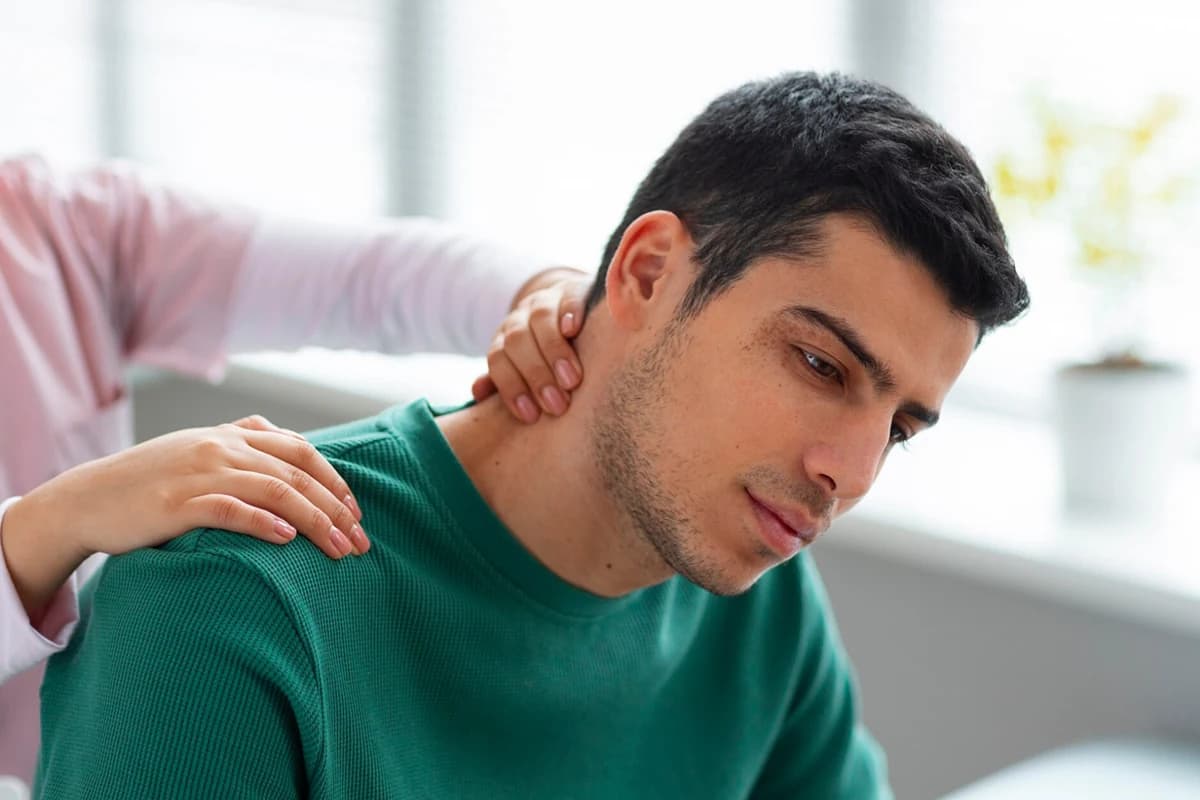
Musculoskeletal problems — back and neck pain, joint pain, tendon problems, post-surgical rehabilitation, sports injuries — and the continuing phase of neurological rehabilitation after an intensive block.
Also assessment appointments in their own right: a single session to establish what is wrong and what should be done, with a written programme and no obligation to book a course.
How long a course should be
We set a review point, usually at four to six sessions, and at that point we either continue with evidence of change, alter the approach, or discharge with a home programme. Open-ended courses of treatment are not how we work.
If treatment is not producing measurable change, continuing it is not caution — it is cost without benefit, and we will say so.
What you should expect from us
A clear explanation of what we think is wrong and why, in language you can repeat to someone else. A written home programme. An honest statement of expected timeframe. And a referral onward if we think the problem is not one physiotherapy will solve.
If we do not know what is causing your problem, we will say that too, and explain what would help establish it.
What happens between sessions matters more
Two or three visits a week amount to a small fraction of the week. The exercise programme done at home is where most of the change comes from, and the sessions exist to set it, correct it and progress it.
A course built on passive treatment with nothing to do between visits produces dependence on the clinic and very little durable change.
When we stop rather than continue
If four to six sessions have produced no measurable change, the plan is wrong. We change the approach or reconsider the diagnosis rather than booking another block.
Open-ended courses are the most common way physiotherapy is oversold. Every course here has a stated number of sessions, a goal and a review point.
Does exercise-based physiotherapy actually work?
For chronic back pain and knee osteoarthritis, the trials say yes, although the effects are moderate rather than dramatic. In chronic low back pain, a Cochrane review of 249 trials found moderate-certainty evidence that exercise reduces pain by about 15 points on a 100-point scale compared with no treatment, usual care or placebo, with a smaller effect on day-to-day function 1.
In knee osteoarthritis, a Cochrane review found high-quality evidence from 44 trials with 3,537 participants that exercise reduces pain by about 12 points on a 100-point scale, with a smaller benefit still present two to six months after treatment ends 2. Individually delivered programmes tended to do better than classes or home-only programmes, although results varied widely between studies 2. Sessions are therefore used to set and correct the exercise rather than to replace it.
Sources
- Hayden JA, Ellis J, Ogilvie R, Malmivaara A, et al. Exercise therapy for chronic low back pain — Cochrane Database of Systematic Reviews (2021)
- Fransen M, McConnell S, Harmer AR, Van der Esch M, et al. Exercise for osteoarthritis of the knee — Cochrane Database of Systematic Reviews (2015)
Conditions this programme treats
The 8 conditions this programme is built for, grouped by area.
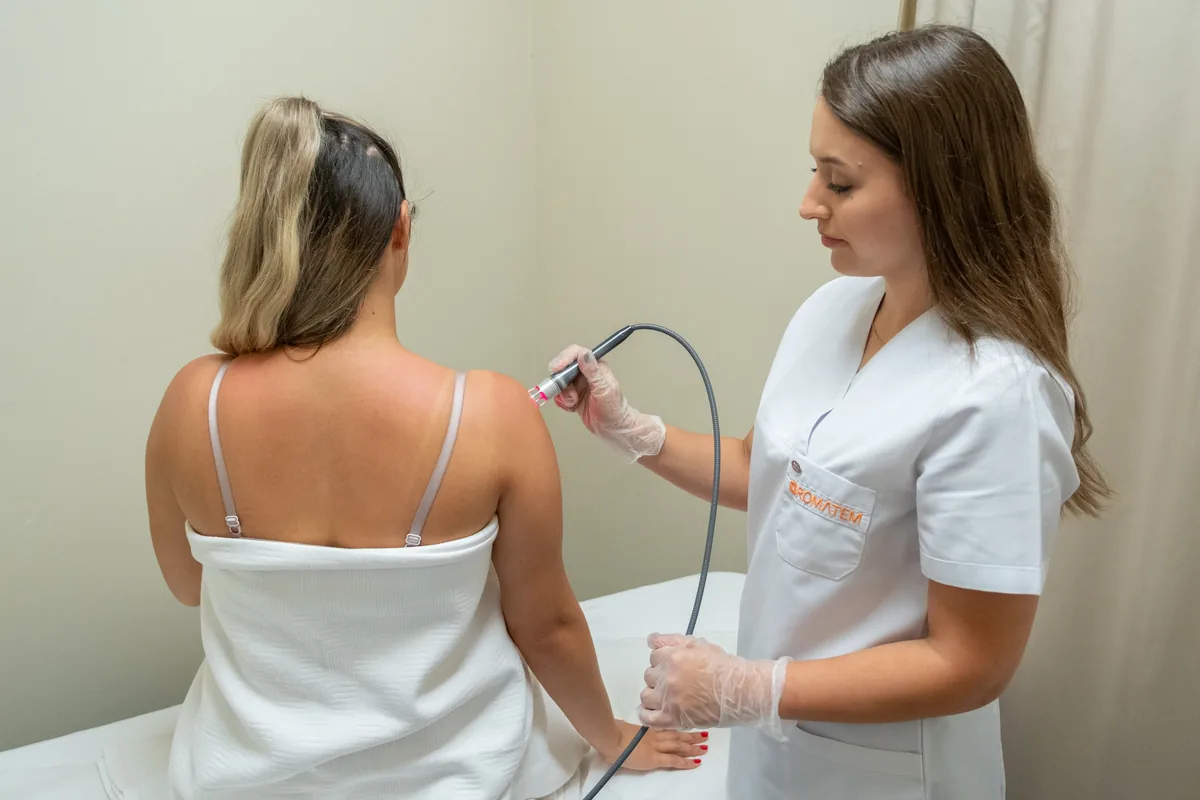
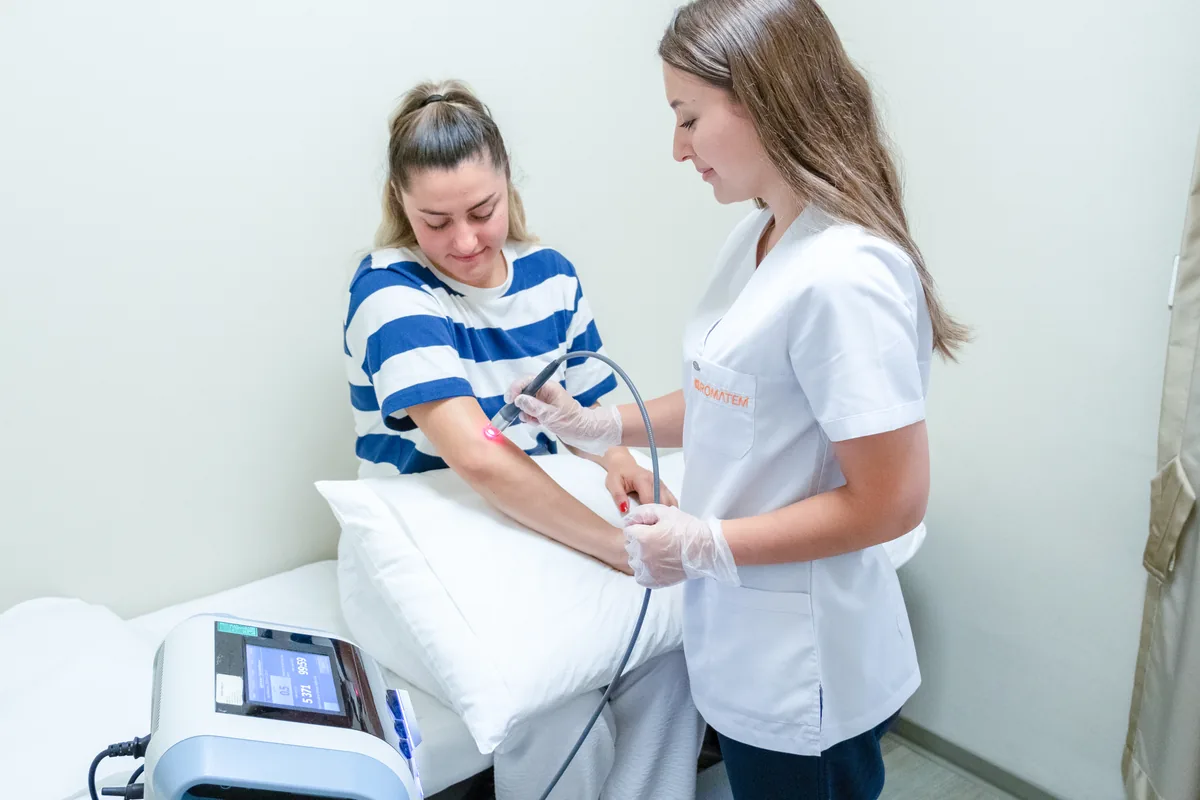

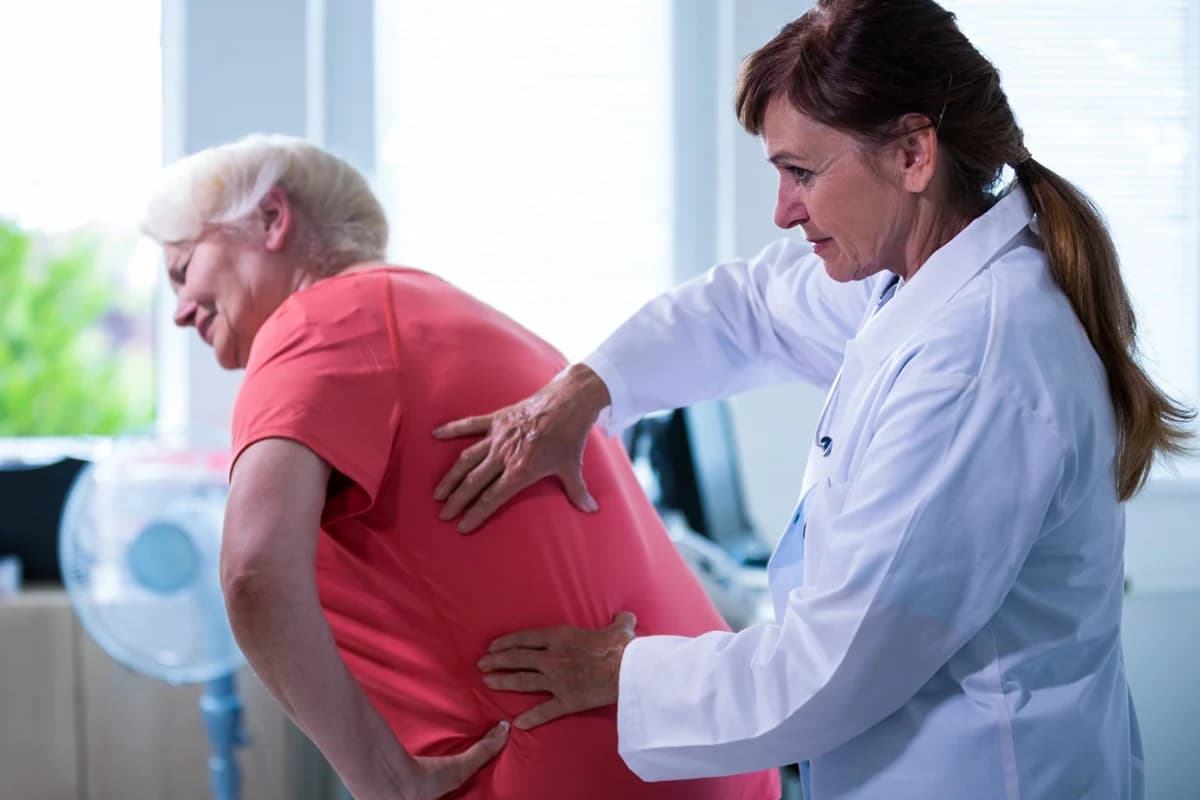
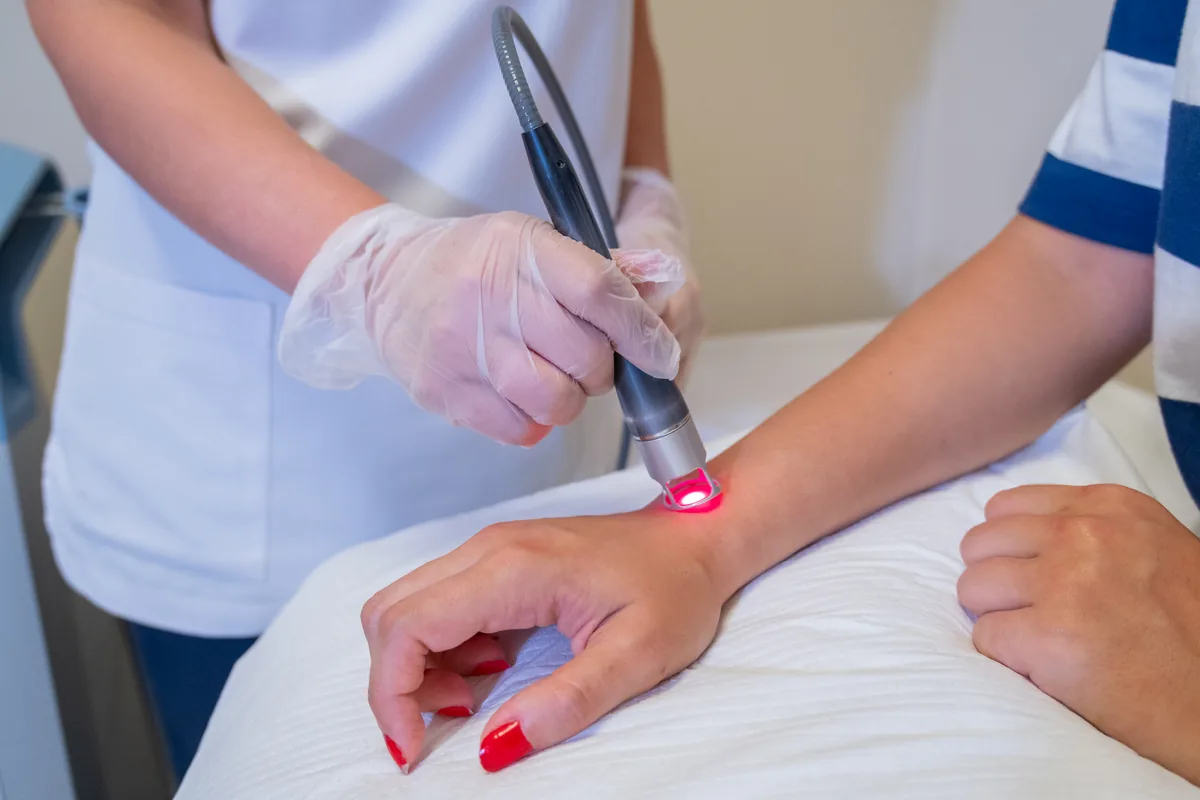

The programme is chosen after a rehabilitation physician has read your records — not from this page.
Your path to this treatment
Nothing here is booked from a page. You send the records you have, a rehabilitation physician reads them, and you get a written answer — including when the answer is that an intensive programme will not help.
4 steps, start to finish
1.Send your records
A discharge summary from the hospital that treated the original event, and any imaging of the affected area — CT, MRI or X-ray.2.A written plan in 48 hours
A rehabilitation physician reviews the case and returns the expected duration, the recommended programme and the centre. Free, no obligation.3.Travel and admission
Where a visa is needed we issue an invitation letter and treatment confirmation naming the dates and the facility. You are met at the airport and driven to the centre by private vehicle or ambulance; a bed for one companion and interpreting during therapy are arranged.4.Treatment, then home
The programme runs, then you leave with a discharge report and a written home exercise plan. Your return journey is organised before you go, with scheduled video reviews so progress does not stop.
In their words
What patients say after a programme
Short videos filmed during therapy: a child’s rehabilitation after a brain tumour, suspended gait training after spinal cord injury, and learning to walk again after a fall. Individual results vary.
Dave Evans on his physical therapy here
Musculoskeletal physiotherapy
Paediatric rehabilitation after a brain tumour
Inside a physiotherapy session
Spinal cord injury — the rehabilitation process
Suspension-assisted gait training
Walking difficulty and restricted movement after a fall
Regaining gait and range of motion
Locations
Where this programme runs — pick a centre.








Questions people actually ask
About this programme
How many sessions will I need?
Usually four to eight weeks at two to three visits a week, set at assessment with a review point. If more is needed there should be a reason for it that can be stated.
Do I need a referral?
Not for musculoskeletal problems. Where the picture suggests something requiring medical investigation first, we say so and arrange it rather than treating around it.
Will I get manual therapy every session?
Only where it is useful. Manual work opens a window of reduced pain and improved movement; exercise is what keeps it open. A session that is entirely passive is rarely the right use of the time.
Can I do this after treatment abroad?
Yes, and it is a common pattern: an intensive block here, then a local course at home. We write the handover for the local therapist and are available for questions.
What if the pain gets worse during the programme?
Some increase during and shortly after exercise is expected. Pain still elevated the next morning means the load was too high, which is a reason to adjust rather than to stop.



