
Day programme
Pulmonary rehabilitation
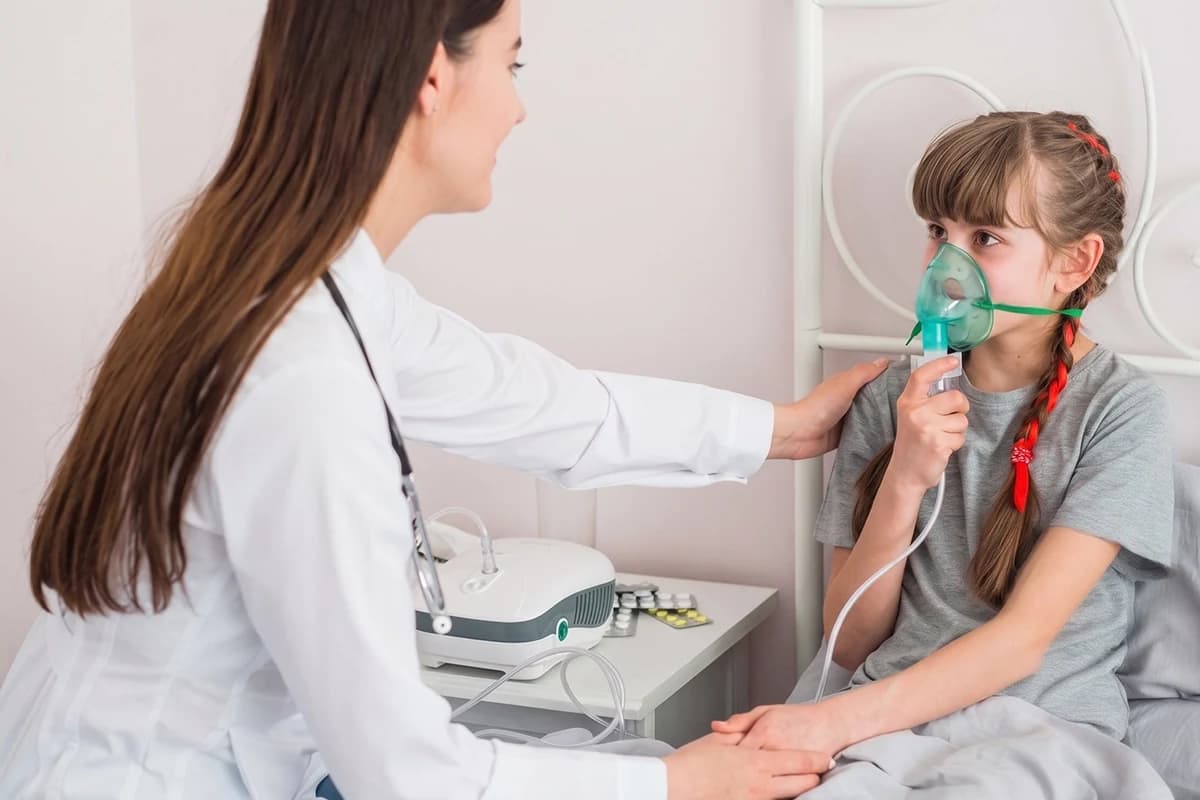
Exercise, breathing work and endurance training for chronic lung disease and for recovery after pneumonia, COVID-19 or intensive care. It does not change lung function tests; it changes how far someone can walk and how much breathlessness that costs. Oxygen saturation is monitored in every session.
What it changes and what it does not
Exercise training does not improve lung function measurements, and any programme that implies otherwise is overselling. What it reliably improves is exercise capacity, breathlessness during daily activity and quality of life.
Saying this plainly matters, because a person told to expect better spirometry will judge a working programme as a failure.
Breathing work is part of it, not all of it
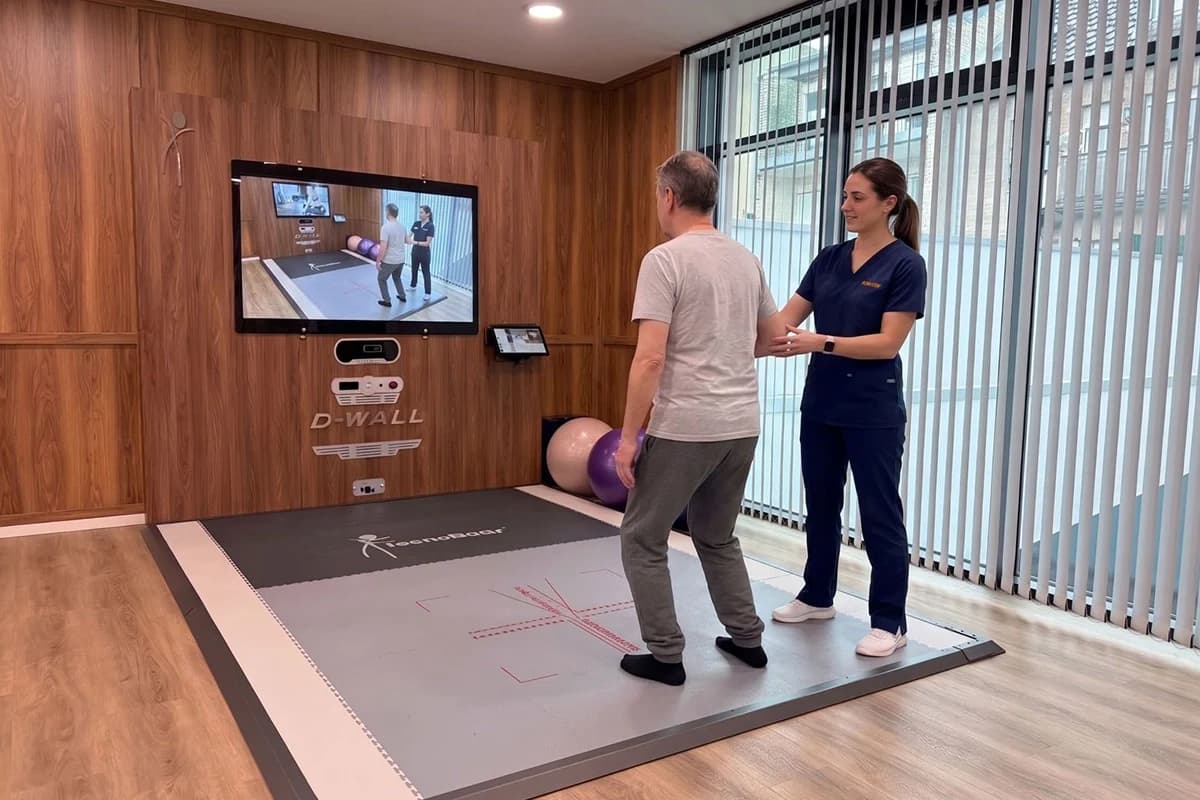
Breathing technique and respiratory muscle training sit alongside walking and strength work rather than replacing them, since it is limb muscle deconditioning that usually limits distance.
Oxygen saturation is monitored during sessions and the plan is written around what it shows.
What the evidence supports
The gains are real and they fade without continuation. A Cochrane review of supervised maintenance after pulmonary rehabilitation, covering 21 studies and 1,799 patients with COPD, found that continued supervised exercise improved quality of life at six to twelve months by more than the threshold considered clinically important, while making little difference to exacerbations, hospital admissions or mortality 1.
The evidence is also useful about breathing work specifically. Adding inspiratory muscle training to a full pulmonary rehabilitation programme did not improve breathlessness, walking distance or quality of life beyond what the programme itself achieved; given on its own, to someone who cannot do a full programme, it did improve walking distance (mean difference 36 metres, 95% confidence interval 26 to 46) 2. So we do not sell breathing training as an extra on top.
Who it suits
COPD, bronchiectasis and interstitial lung disease, and recovery after pneumonia, COVID-19 or a stay in intensive care. The common thread is a walking distance limited by breathlessness rather than by the legs alone.
Needing oxygen is not a barrier — saturation is monitored and oxygen titrated during sessions. What is assessed first is cardiac stability, because breathlessness on exertion has more than one cause and treating the wrong one wastes the block.
Duration and what to expect
Four to eight weeks, one to three hours a day. Six-minute walk distance and a breathlessness score are recorded at the start and repeated at the end; those two numbers, not spirometry, are what this programme is judged by.
Because the gains depend on continuation more than in most programmes 1, the discharge plan is written to be doable without equipment and without supervision, and the follow-up interval is set before the patient leaves.
An exacerbation changes the load, not the plan
A chest infection during the block is common and is not a reason to abandon it. The load comes down and then goes back up, because the deconditioning that follows an exacerbation is one of the main reasons walking distance falls and does not return.
Where the exacerbation is severe the block is paused and restarted with the respiratory physician's agreement. What is not done is continuing at the planned intensity because the schedule says so.
Sources
- Malaguti C, Dal Corso S, Janjua S, Holland AE. Supervised maintenance programmes following pulmonary rehabilitation compared to usual care for chronic obstructive pulmonary disease — Cochrane Database of Systematic Reviews (2021)
- Ammous O, Feki W, Lotfi T, et al. Inspiratory muscle training, with or without concomitant pulmonary rehabilitation, for chronic obstructive pulmonary disease — Cochrane Database of Systematic Reviews (2023)
Conditions this programme treats
The 5 conditions this programme is built for, grouped by area.
The programme is chosen after a rehabilitation physician has read your records — not from this page.
Your path to this treatment
Nothing here is booked from a page. You send the records you have, a rehabilitation physician reads them, and you get a written answer — including when the answer is that an intensive programme will not help.
4 steps, start to finish
1.Send your records
A discharge summary from the hospital that treated the original event, and any imaging of the affected area — CT, MRI or X-ray.2.A written plan in 48 hours
A rehabilitation physician reviews the case and returns the expected duration, the recommended programme and the centre. Free, no obligation.3.Travel and admission
Where a visa is needed we issue an invitation letter and treatment confirmation naming the dates and the facility. You are met at the airport and driven to the centre by private vehicle or ambulance; a bed for one companion and interpreting during therapy are arranged.4.Treatment, then home
The programme runs, then you leave with a discharge report and a written home exercise plan. Your return journey is organised before you go, with scheduled video reviews so progress does not stop.
In their words
What patients say after a programme
Short videos filmed during therapy: a child’s rehabilitation after a brain tumour, suspended gait training after spinal cord injury, and learning to walk again after a fall. Individual results vary.
Dave Evans on his physical therapy here
Musculoskeletal physiotherapy
Paediatric rehabilitation after a brain tumour
Inside a physiotherapy session
Spinal cord injury — the rehabilitation process
Suspension-assisted gait training
Walking difficulty and restricted movement after a fall
Regaining gait and range of motion
Locations
Where this programme runs — pick a centre.







Questions people actually ask
About this programme
Will my breathing tests improve?
No, and any programme implying otherwise is overselling. What improves is how far you can walk and how much breathlessness that costs. Spirometry measures the disease, not your capacity to live with it.
I use oxygen. Can I still take part?
Yes. Saturation is monitored throughout and oxygen is adjusted during exercise rather than the exercise being avoided.
How long do the gains last?
They fade without continued exercise. Supervised maintenance preserved quality of life at six to twelve months in the Cochrane review 1, which is why the home plan and follow-up date are part of the programme rather than advice at the door.
Can I do this after COVID-19 or intensive care?
Yes, at a lower starting intensity. Where symptoms get worse after exertion rather than better with training, the programme is paced rather than progressed, and that distinction is made at assessment.



