
Outpatient
Oncologic rehabilitation
Rehabilitation during and after cancer treatment, for the loss of strength, endurance and function that the disease and its treatment leave behind. It is planned with the oncology team's constraints in mind and adjusted around treatment cycles. Graded aerobic exercise, dosed by measurement, is the main tool against fatigue.
Fatigue is treated, not waited out
Cancer-related fatigue does not resolve with rest, and it is the symptom patients rate as most limiting. Graded exercise is the intervention with the strongest evidence behind it, delivered at a level set by measurement rather than by how the day feels.
Sessions are monitored for unusual pain, blood counts where relevant, and the specific precautions the oncology team has set.
Where it fits in the treatment calendar
Work is scheduled around chemotherapy and radiotherapy cycles rather than paused for them, and the load is reduced in the days when it should be.
For people who have finished treatment, the programme shifts to endurance, bone and muscle loading, and returning to work.
What the evidence supports
A Cochrane review pooling 56 trials with 4,068 participants found that exercise reduced cancer-related fatigue compared with usual care (standardised mean difference −0.27, 95% confidence interval −0.37 to −0.17), both during and after adjuvant treatment 1. The effect is modest rather than dramatic. It is also the most consistent finding available for a symptom that patients rate as their most limiting.
The same review is specific about where the benefit was found and where it was not: in solid tumours, notably breast and prostate cancer, and not in haematological malignancies; and with aerobic exercise, where resistance training and other forms did not reach significance 1. So the prescription is aerobic-led, and if the evidence for your diagnosis is thinner than that, the plan says so rather than implying otherwise.
Who it suits
People during or after treatment for cancer who have lost strength, endurance or function: fatigue that rest does not fix, deconditioning after surgery or a long admission, chemotherapy-induced neuropathy affecting balance, swelling, or the muscle loss that follows steroid courses.
The limits come from the oncology team, not from us: unstable disease, low blood counts, bone metastases that restrict loading, active infection, a recent surgical site. We ask for those restrictions in writing before a plan is built, and where they are not available the programme waits.
Duration and what to expect
Three to six weeks, two to four hours a day, with the load reduced in the days after a treatment cycle rather than the programme pausing for it. Walking distance, strength and a fatigue score are recorded at the start and repeated at the end.
Fatigue usually improves before strength does, and both usually improve before the person feels able to describe themselves as recovered. That ordering is normal and is explained at the start, because a patient who expects the opposite reads a working programme as a failure.
It does not treat the cancer
Rehabilitation treats what the disease and its treatment leave behind. It does not slow, shrink or influence the cancer itself, and nothing on this programme should be understood as doing so. Any provider presenting rehabilitation, diet or a device as affecting the disease is selling something other than rehabilitation.
For the same reason the programme is planned with the oncology team rather than around them. The discharge report goes to the treating oncologist, and where a symptom during the programme could be disease-related rather than deconditioning — new bone pain, unexplained breathlessness — it is referred back the same day.
Sources
- Cramp F, Byron-Daniel J. Exercise for the management of cancer-related fatigue in adults — Cochrane Database of Systematic Reviews (2012)
Conditions this programme treats
The 6 conditions this programme is built for, grouped by area.
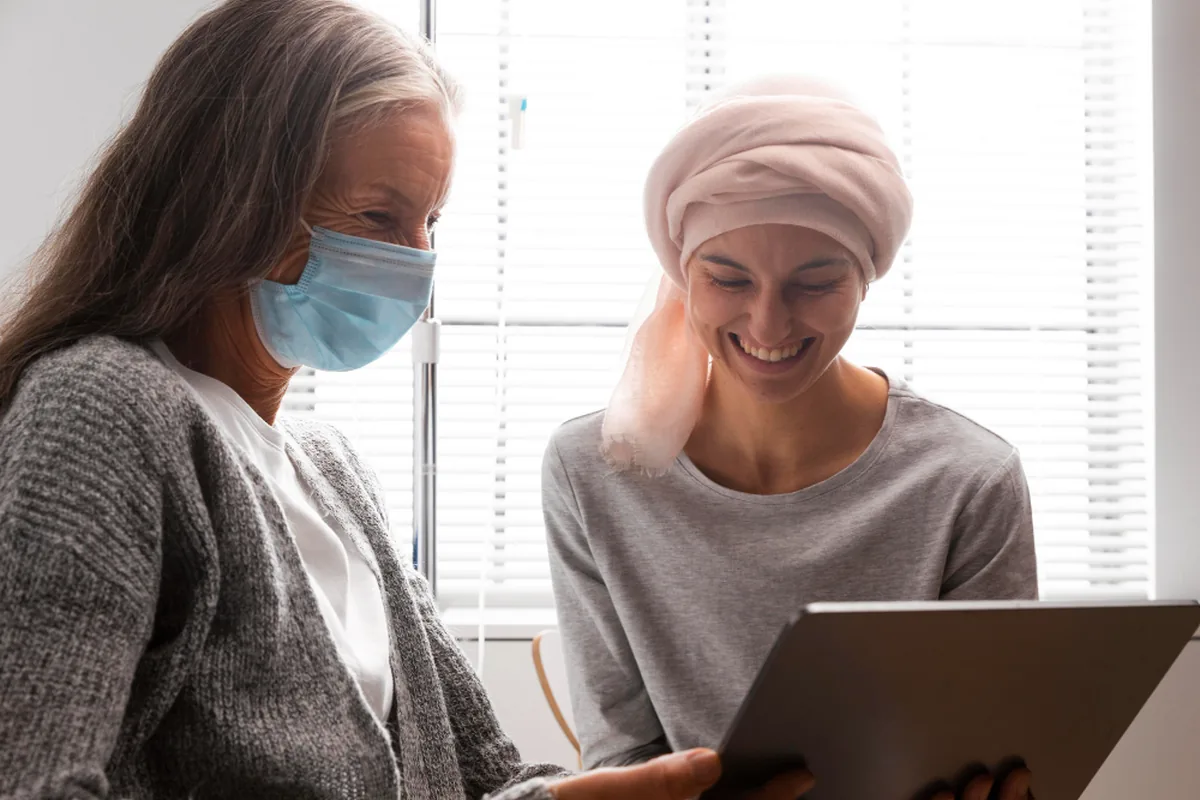
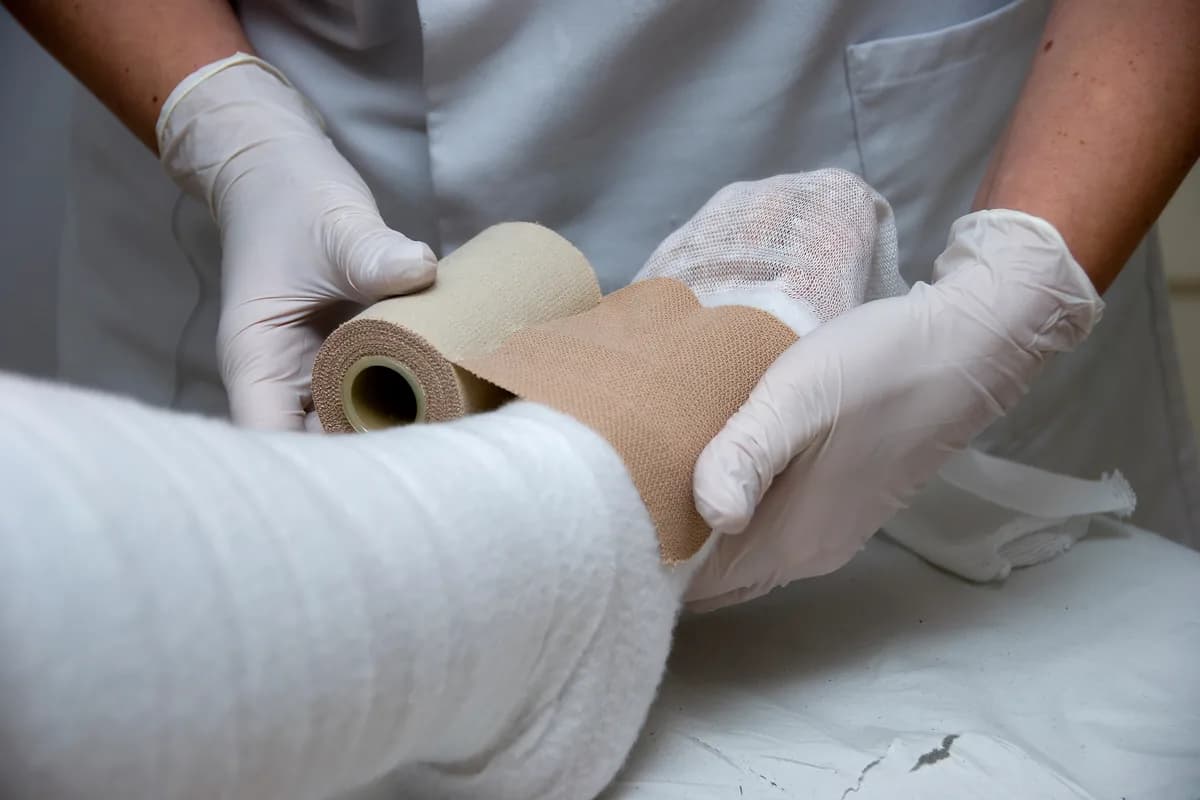
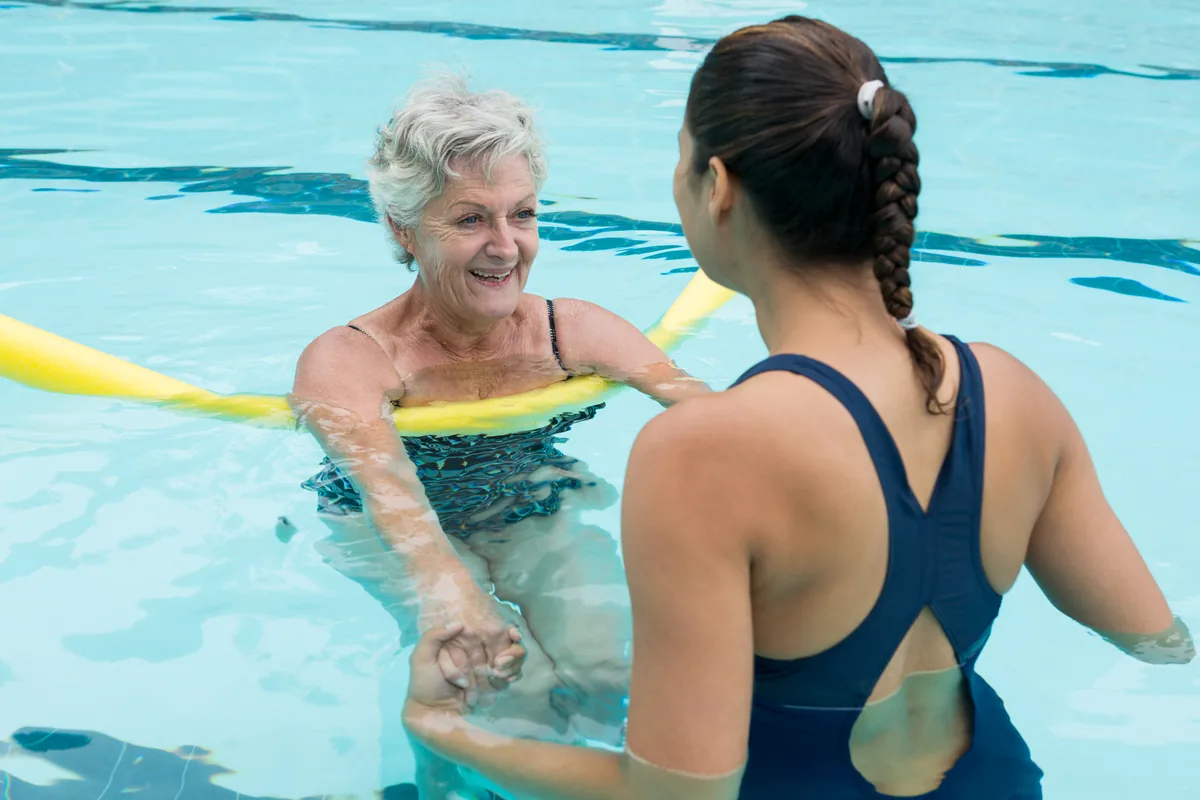
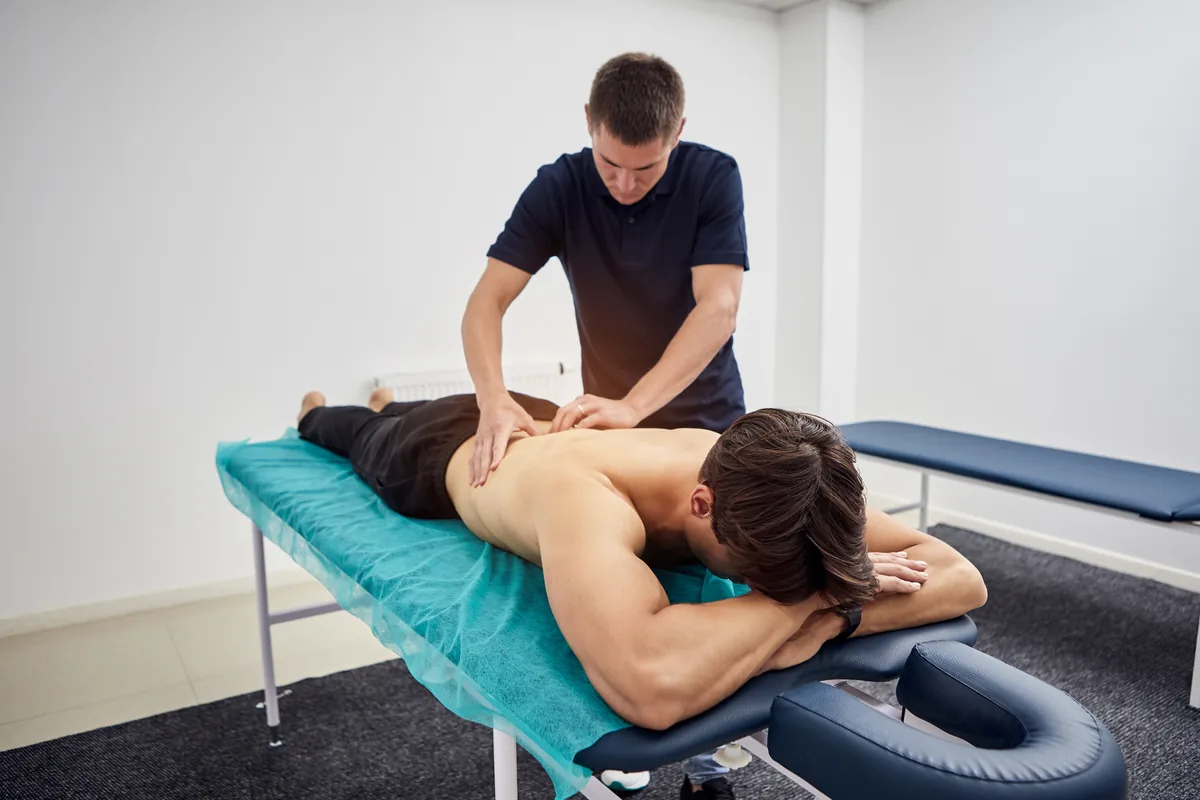
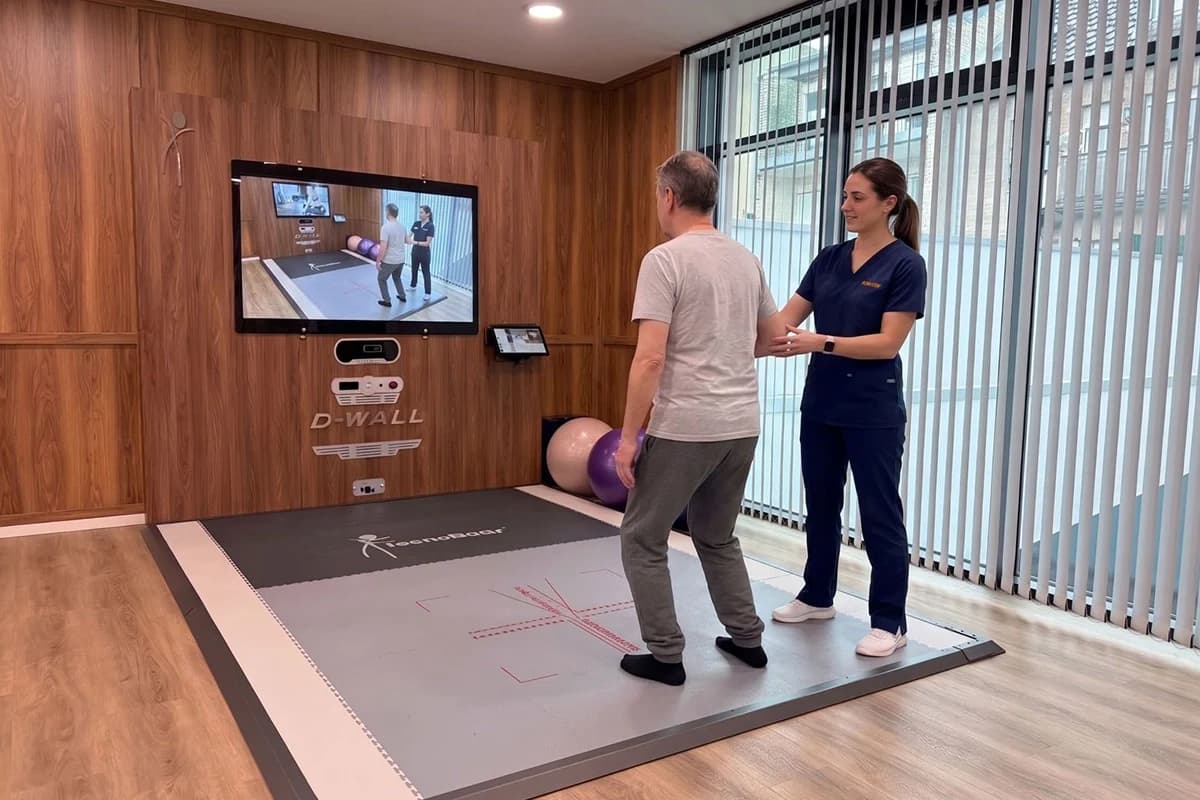
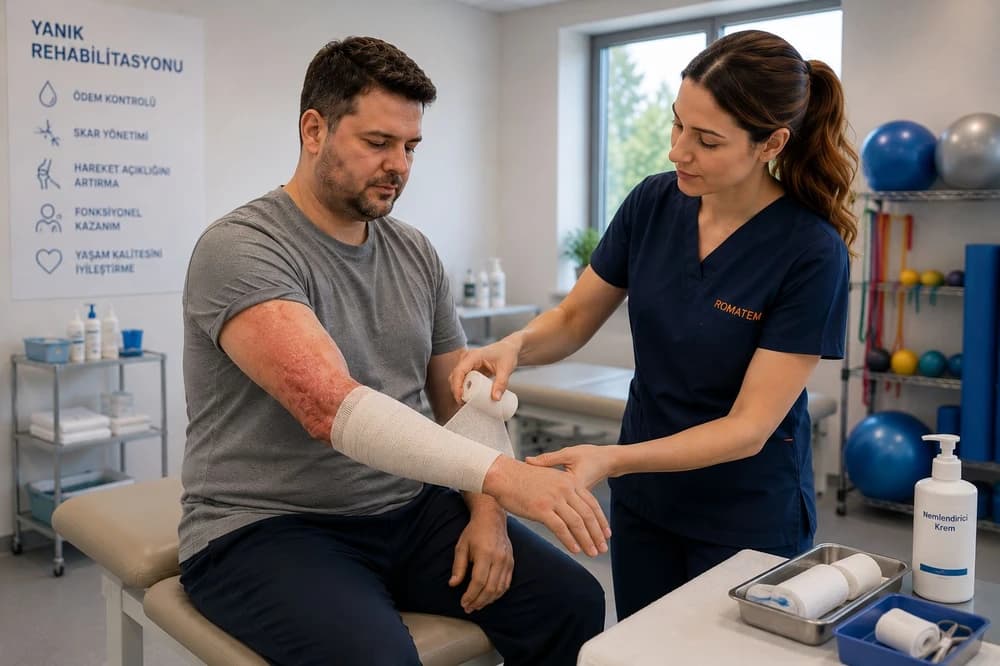
The programme is chosen after a rehabilitation physician has read your records — not from this page.
Your path to this treatment
Nothing here is booked from a page. You send the records you have, a rehabilitation physician reads them, and you get a written answer — including when the answer is that an intensive programme will not help.
4 steps, start to finish
1.Send your records
A discharge summary from the hospital that treated the original event, and any imaging of the affected area — CT, MRI or X-ray.2.A written plan in 48 hours
A rehabilitation physician reviews the case and returns the expected duration, the recommended programme and the centre. Free, no obligation.3.Travel and admission
Where a visa is needed we issue an invitation letter and treatment confirmation naming the dates and the facility. You are met at the airport and driven to the centre by private vehicle or ambulance; a bed for one companion and interpreting during therapy are arranged.4.Treatment, then home
The programme runs, then you leave with a discharge report and a written home exercise plan. Your return journey is organised before you go, with scheduled video reviews so progress does not stop.
In their words
What patients say after a programme
Short videos filmed during therapy: a child’s rehabilitation after a brain tumour, suspended gait training after spinal cord injury, and learning to walk again after a fall. Individual results vary.
Dave Evans on his physical therapy here
Musculoskeletal physiotherapy
Paediatric rehabilitation after a brain tumour
Inside a physiotherapy session
Spinal cord injury — the rehabilitation process
Suspension-assisted gait training
Walking difficulty and restricted movement after a fall
Regaining gait and range of motion
Locations
Where this programme runs — pick a centre.







Questions people actually ask
About this programme
Is exercise safe during chemotherapy?
With supervision and the oncology team's restrictions, yes — the Cochrane review found benefit for programmes delivered during treatment as well as after it 1. Load is reduced in the days when blood counts or symptoms require it rather than the programme stopping.
How much will my fatigue improve?
The pooled effect across 56 trials was modest but consistent (standardised mean difference −0.27) 1. In practice that is the difference between managing an afternoon and not, rather than a return to how things were before treatment.
Should I wait until treatment has finished?
Not necessarily. Benefit was found for exercise delivered during adjuvant treatment as well as afterwards 1, and waiting means starting from a lower level of fitness than you need to.
I have bone metastases — can I still take part?
Usually yes, with loading restrictions set by the oncology team for the affected site. What changes is which exercises are used and how much weight goes through the area, not whether rehabilitation happens.
Does this include lymphoedema treatment?
Lymphoedema has its own programme, because it needs bandaging, drainage and measured limb volume rather than exercise dosing. Where both apply they run together and are planned as one course.



