
Day programme
Active ageing programme
A programme built around falls, muscle loss and independence in daily life, for older adults who are not recovering from a single event but losing function gradually. Resistance, challenging balance work, walking capacity and task practice are prescribed at intensities that produce adaptation, because older adults still build muscle when loaded.
Built around what actually preserves independence
Progressive resistance training, balance training at genuinely challenging intensity, walking capacity, and functional task practice. These are the four things with evidence for maintaining independence in older adults, and they are prescribed at intensities that produce adaptation rather than at intensities that feel appropriate for the age.
Older adults build muscle in response to loading. The frequent assumption that weakness at eighty is simply age is wrong, and it is the reason many programmes are set too light to work.
Assessment first, in numbers
Grip strength, chair-rise time, gait speed, balance testing, and a falls risk review including standing blood pressure, vision, footwear and a full medication review. Gait speed alone is one of the strongest predictors of independence and takes a minute to measure.
These repeat identically, so a twelve-week programme can show what changed rather than assert it.
Falls prevention that works
Strength and balance training reduces falls when it is difficult enough and continued long enough. Tai Chi also reduces the number of people who fall, by 20% in the trials, while the effect of walking programmes on their own is uncertain 2. Education about preventing falls, used on its own, did not significantly reduce them in trials 4.
Combined with medication review and home hazard modification, the reduction in fall rate is meaningful. We deliver all three rather than the exercise alone.
Nutrition runs alongside
Resistance training with inadequate protein intake produces less muscle. In older adults protein intake is commonly below what is needed for muscle synthesis, and appetite is often reduced.
Dietetic review is part of the programme where sarcopenia or weight loss is present, because training without it is working at a disadvantage.
Strength training is the part that is usually missing
Walking and general activity are good for health and do not build the muscle mass and power that independence depends on. Progressive resistance training does, and it remains effective even among people in their nineties 1.
The load has to be meaningful. Light weights repeated many times are pleasant and do not produce the stimulus that reverses sarcopenia, which is why supervision and progression matter more here than almost anywhere else.
What the programme is not
It is not a wellness package and it is not rehabilitation after a specific event. It exists for people who are losing function gradually — slower walking, more effort on stairs, near-falls, difficulty rising from a chair.
Where an underlying medical cause is driving the decline, we identify it and address it rather than treating the symptom with exercise alone.
How much can exercise reduce falls?
A Cochrane review of 108 randomised trials with 23,407 older people living in the community found high-certainty evidence that exercise reduces the rate of falls by 23% and the number of people who fall by 15% 2. Programmes based on balance and functional exercises cut the rate of falls by 24%, and those combining several types, most often balance and functional work plus resistance training, probably cut it by 34% 2.
The same review was uncertain about programmes made up mainly of resistance training, walking or dance 2. That is why strength work in this programme sits alongside challenging balance practice rather than replacing it, and why no programme can promise that falls will stop.
Sources
- High-intensity strength training in nonagenarians. Effects on skeletal muscle. — JAMA (1990)
- Sherrington C, Fairhall NJ, Wallbank GK, Tiedemann A, et al. Exercise for preventing falls in older people living in the community — Cochrane Database of Systematic Reviews (2019)
- Yang Y, Chen SC, Chen CN, Hsu CW, et al. Training Session and Detraining Duration Affect Lower Limb Muscle Strength Maintenance in Middle-Aged and Older Adults: A Systematic Review and Meta-Analysis — Journal of Aging and Physical Activity (2022)
- Gillespie LD, Robertson MC, Gillespie WJ, Sherrington C, et al. Interventions for preventing falls in older people living in the community — Cochrane Database of Systematic Reviews (2012)
Conditions this programme treats
The 4 conditions this programme is built for, grouped by area.
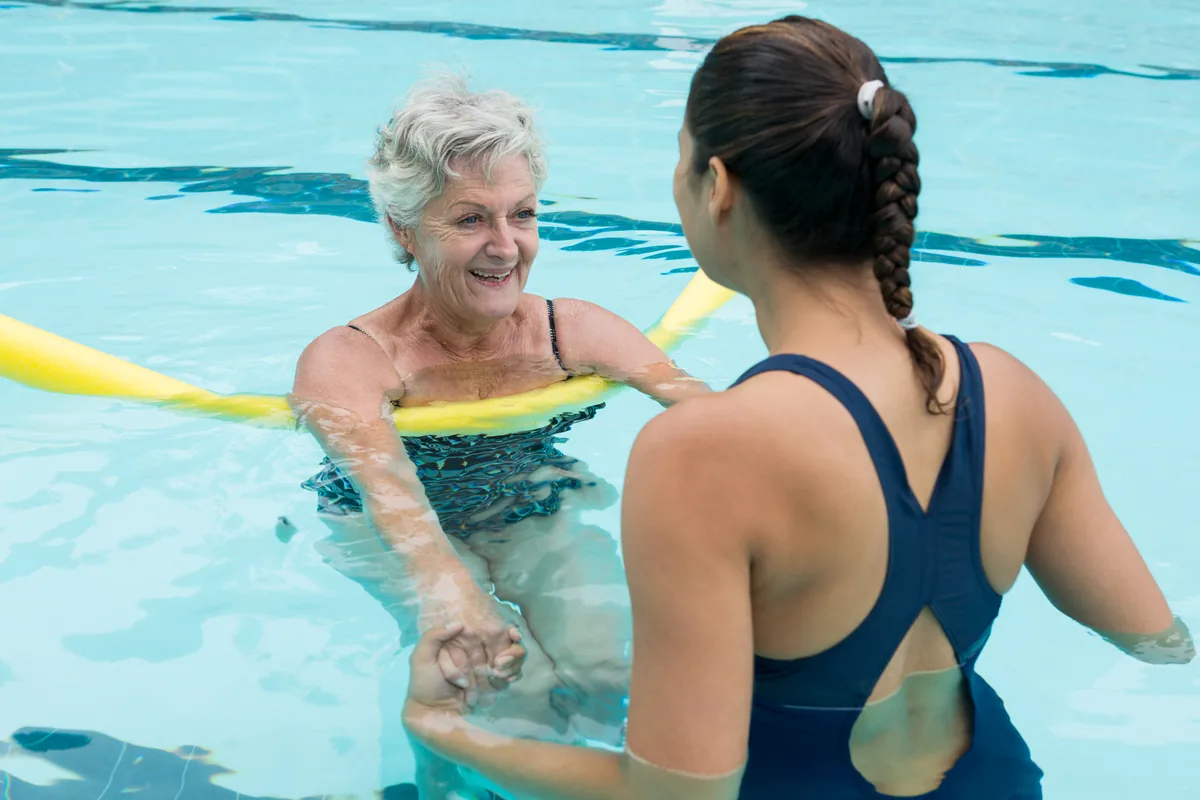
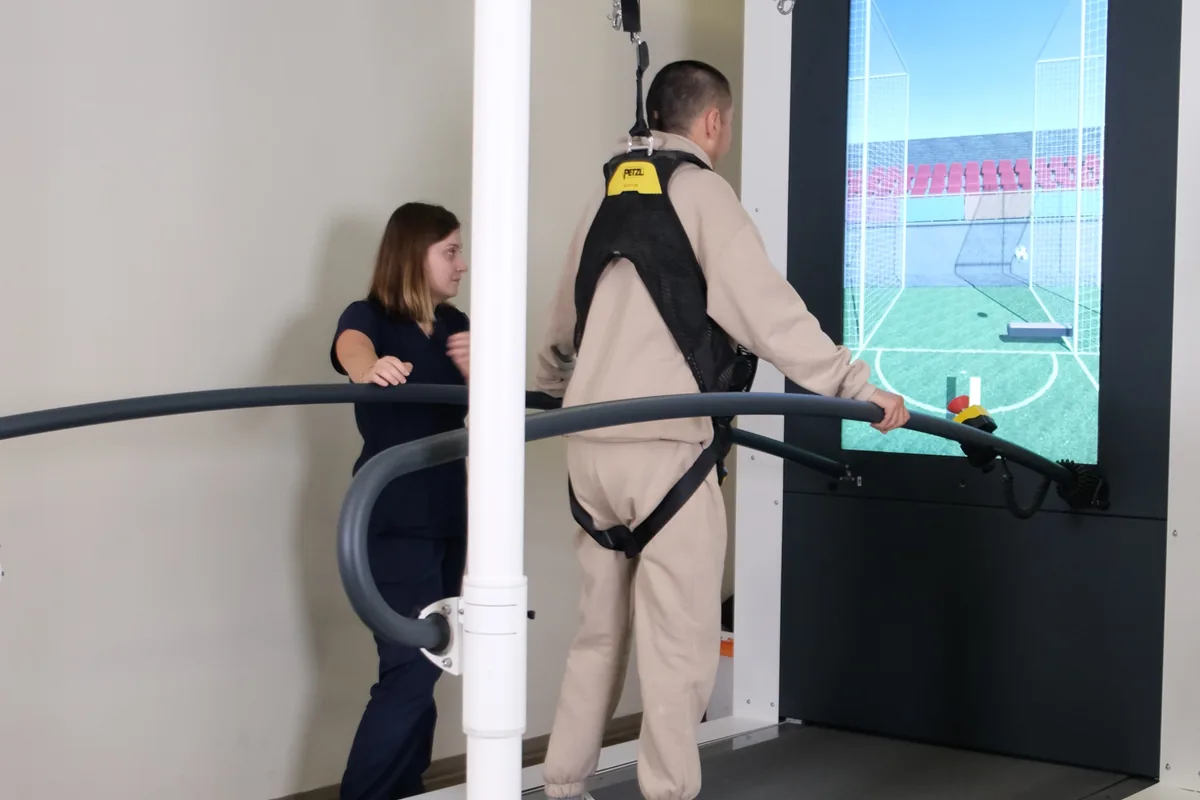
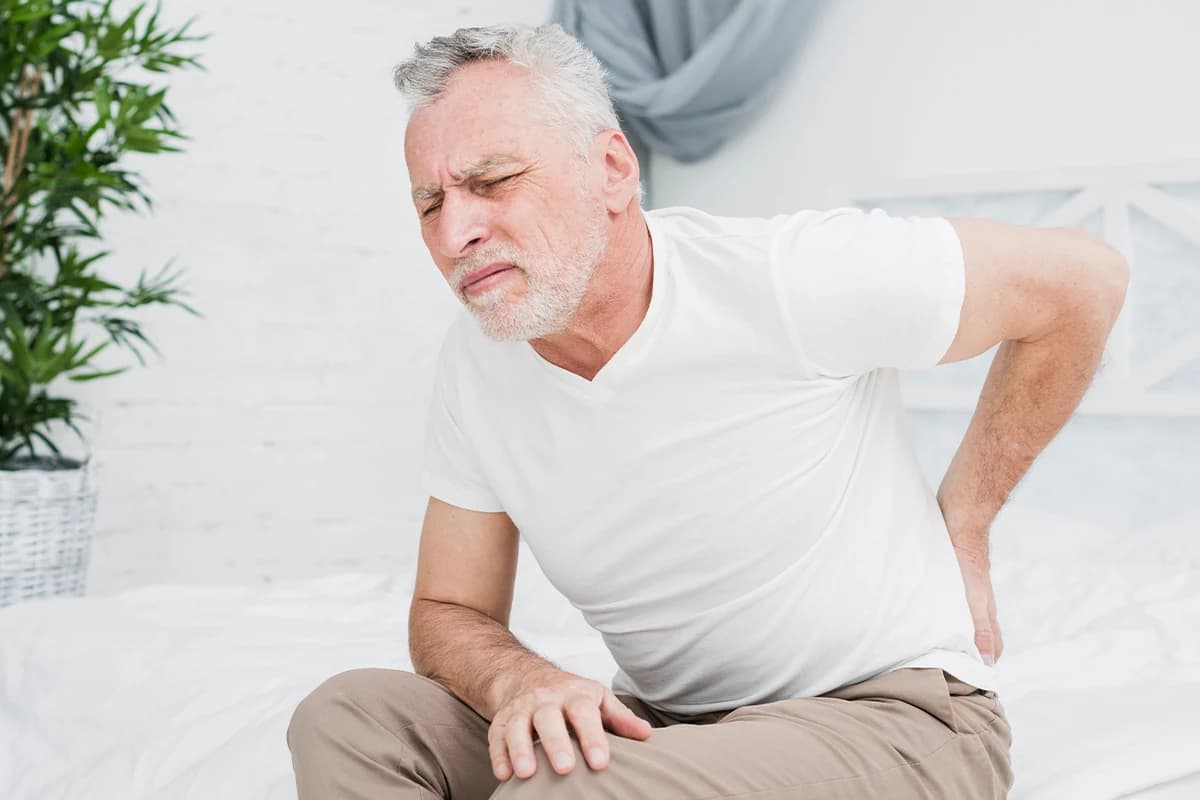

The programme is chosen after a rehabilitation physician has read your records — not from this page.
Your path to this treatment
Nothing here is booked from a page. You send the records you have, a rehabilitation physician reads them, and you get a written answer — including when the answer is that an intensive programme will not help.
4 steps, start to finish
1.Send your records
A discharge summary from the hospital that treated the original event, and any imaging of the affected area — CT, MRI or X-ray.2.A written plan in 48 hours
A rehabilitation physician reviews the case and returns the expected duration, the recommended programme and the centre. Free, no obligation.3.Travel and admission
Where a visa is needed we issue an invitation letter and treatment confirmation naming the dates and the facility. You are met at the airport and driven to the centre by private vehicle or ambulance; a bed for one companion and interpreting during therapy are arranged.4.Treatment, then home
The programme runs, then you leave with a discharge report and a written home exercise plan. Your return journey is organised before you go, with scheduled video reviews so progress does not stop.
In their words
What patients say after a programme
Short videos filmed during therapy: a child’s rehabilitation after a brain tumour, suspended gait training after spinal cord injury, and learning to walk again after a fall. Individual results vary.
Dave Evans on his physical therapy here
Musculoskeletal physiotherapy
Paediatric rehabilitation after a brain tumour
Inside a physiotherapy session
Spinal cord injury — the rehabilitation process
Suspension-assisted gait training
Walking difficulty and restricted movement after a fall
Regaining gait and range of motion
Locations
Where this programme runs — pick a centre.




Questions people actually ask
About this programme
Am I too old for this?
Almost certainly not. Muscle responds to progressive loading at every age studied, and the people who gain the most in relative terms are often the frailest at the start.
What is measured?
Grip strength, chair-rise time, gait speed, balance and walking endurance, at the start and at the end. These predict independence better than any subjective assessment.
Is this the same as physiotherapy?
No. Physiotherapy treats a problem; this programme addresses gradual decline before it becomes one. Where a specific condition is present it is treated alongside.
Will it stop me falling?
It reduces the risk substantially — balance and strength training are among the best-evidenced falls interventions. No programme eliminates the risk, and we do not claim otherwise.
How long do the gains last?
Not for long without training: in trials of middle-aged and older adults, strength gains from programmes shorter than 24 weeks were no longer maintained once the break lasted longer than the programme itself 3. The programme therefore ends with a plan that can actually be continued at home or locally, which is discussed before discharge rather than after.



