
Physical agents
Robotic spinal mobilisation and traction
Computer-controlled traction that applies a measured, repeatable pull to a specific spinal segment rather than the whole back. Force, angle and duration are set numerically, so every session delivers identical treatment with a record of exactly what was applied, in cycles rather than a sustained pull.
Controlled, measured spinal loading
The system applies traction and mobilisation to the spine along a programmed path with the force, angle, duration and cycle pattern all set numerically. That produces something manual traction cannot: the identical treatment every session, and a record of exactly what was applied.
Force is applied and released in cycles rather than held, which is better tolerated and allows fluid movement within the disc space.
Who it is used for
Lumbar and cervical disc herniation with nerve root pain, spinal stenosis, facet joint pain, and mechanical back and neck pain where imaging and examination indicate a compressive or mechanical cause.
It is not appropriate in spinal instability, after spinal fusion, in significant osteoporosis, in the presence of tumour or infection, or where cauda equina signs are present — which is a surgical emergency and not a traction candidate.
What it is and is not
For nerve root pain from the lower back, a Cochrane review found that traction probably has no effect on pain, function or overall improvement 2. In the neck, adding traction reduces nerve root pain slightly, but on low-quality evidence and by an amount too small to be clinically meaningful 3. It does not reliably reverse a herniation, and claims that discs are pulled back into place overstate what is known.
It is used to reduce symptoms enough for a spinal stabilisation and movement programme to begin. That programme is what prevents recurrence.
Where traction stands in the guidelines
Traction is not recommended for low back pain with or without sciatica in current UK guidance from NICE 1.
It is used selectively, for specific presentations and short courses, alongside exercise. Where a plan consists mainly of traction sessions, the question worth asking is what the active component is.
Selective use, and what the plan must contain
Where it is used, it is a short defined course alongside an active programme, with a review point. Symptom relief in an individual is a reason to continue for a few sessions, not a reason to sell twenty.
A treatment plan built mainly on traction is the pattern worth questioning anywhere it is offered, including here. The active component is what changes the outcome.
Does computer control make traction work better?
It makes the dose precise and repeatable, which is useful for recording exactly what was applied, but it has not been shown to change the result. A Cochrane review of 32 randomised trials found that traction, alone or added to other treatment, has little or no effect on pain, function or return to work in low back pain, and its authors state that this applies to both manual and mechanical traction 2.
Precision in delivering a treatment cannot add benefit that the treatment itself lacks. That is why, where traction is used at all, it is a short trial with a review point inside an active programme rather than a course in its own right.
Sources
- Low back pain and sciatica in over 16s: assessment and management (NG59) — National Institute for Health and Care Excellence (2020)
- Wegner I, Widyahening IS, van Tulder MW, Blomberg SEI, et al. Traction for low-back pain with or without sciatica — Cochrane Database of Systematic Reviews (2013)
- Colombo C, Salvioli S, Gianola S, Castellini G, et al. Traction therapy for cervical radicular syndrome is statistically significant but not clinically relevant for pain relief: a systematic literature review with meta-analysis and trial sequential analysis — Journal of Clinical Medicine (2020)
Conditions this device is used for
The 3 conditions where this device is part of a routine programme, grouped by area. It is one tool inside the plan, never the plan itself.
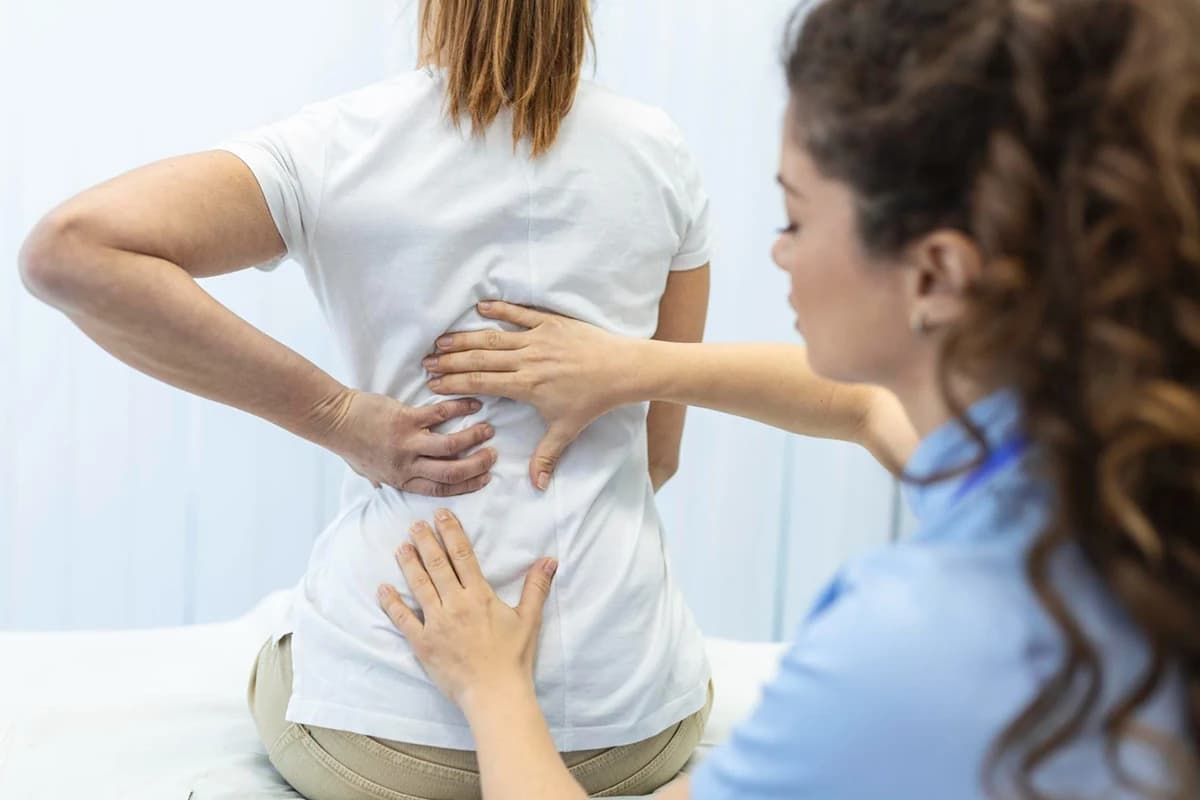
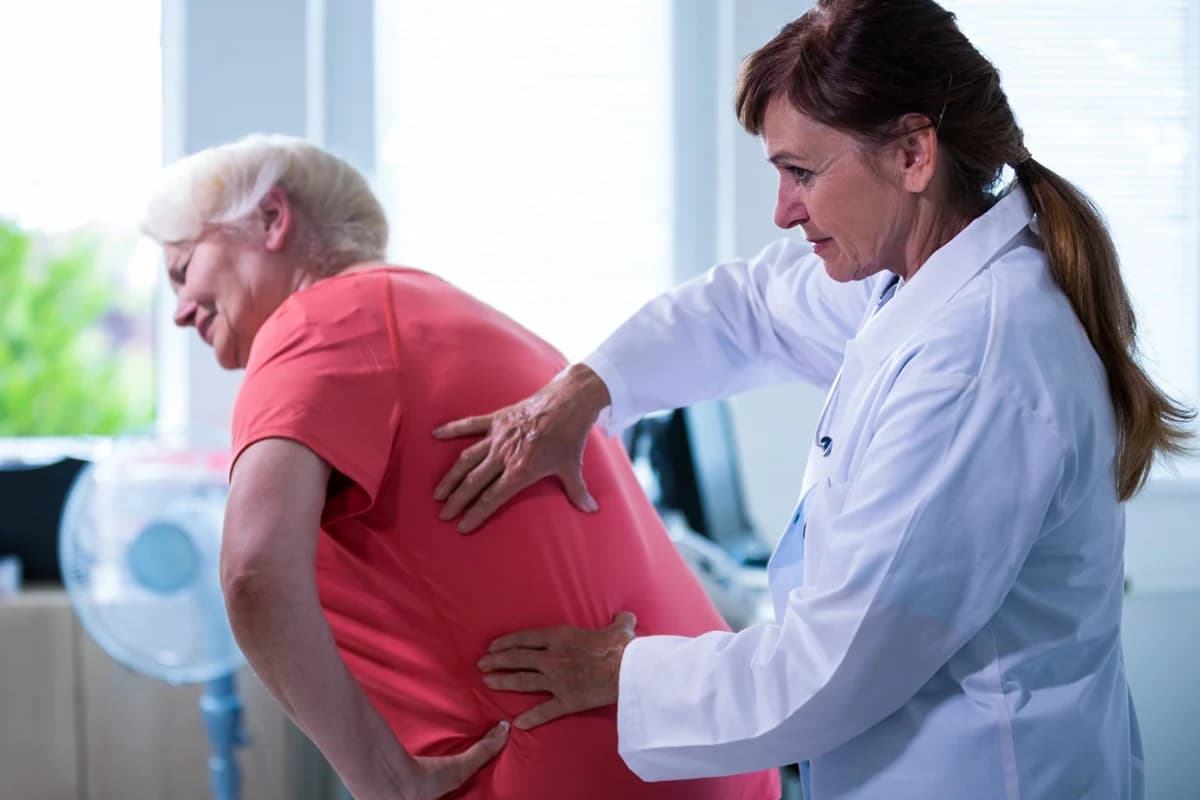
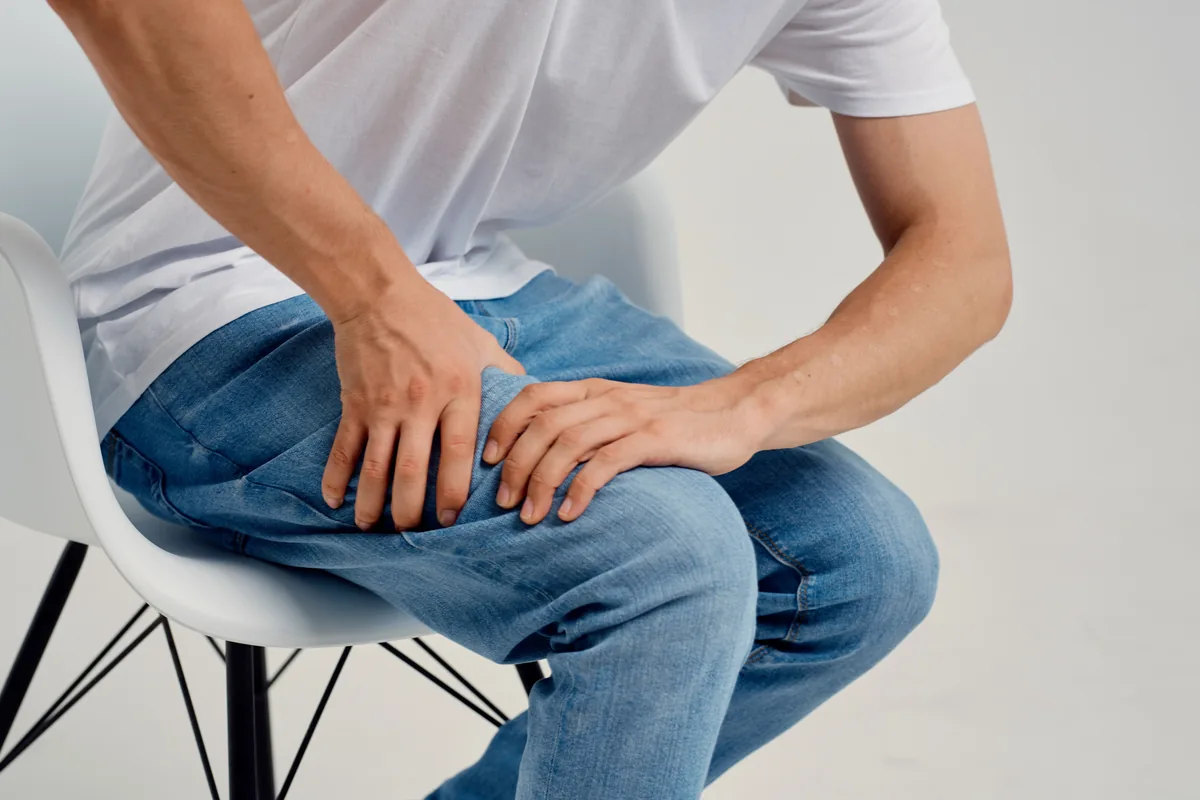
Devices are used inside a programme and chosen after examination — they are not booked separately.
Your path to this treatment
Nothing here is booked from a page. You send the records you have, a rehabilitation physician reads them, and you get a written answer — including when the answer is that an intensive programme will not help.
4 steps, start to finish
1.Send your records
A discharge summary from the hospital that treated the original event, and any imaging of the affected area — CT, MRI or X-ray.2.A written plan in 48 hours
A rehabilitation physician reviews the case and returns the expected duration, the recommended programme and the centre. Free, no obligation.3.Travel and admission
Where a visa is needed we issue an invitation letter and treatment confirmation naming the dates and the facility. You are met at the airport and driven to the centre by private vehicle or ambulance; a bed for one companion and interpreting during therapy are arranged.4.Treatment, then home
The programme runs, then you leave with a discharge report and a written home exercise plan. Your return journey is organised before you go, with scheduled video reviews so progress does not stop.
In their words
What patients say after a programme
Short videos filmed during therapy: a child’s rehabilitation after a brain tumour, suspended gait training after spinal cord injury, and learning to walk again after a fall. Individual results vary.
Dave Evans on his physical therapy here
Musculoskeletal physiotherapy
Paediatric rehabilitation after a brain tumour
Inside a physiotherapy session
Spinal cord injury — the rehabilitation process
Suspension-assisted gait training
Walking difficulty and restricted movement after a fall
Regaining gait and range of motion
Locations
Centres that have this device — pick one.







Questions people actually ask
About this device
Is traction effective for disc problems?
Guidelines do not recommend it for low back pain with or without sciatica 1. Individual patients report symptom relief, which is why it is used selectively rather than routinely.
Does it put the disc back?
No. That description is common and inaccurate. Any benefit is symptomatic rather than structural.
Who should not have it?
Osteoporosis, spinal instability, fracture, malignancy, pregnancy, and immediately after spinal surgery.
What should a plan include instead?
Progressive exercise, education and load management. Passive treatment can support those; it does not replace them.
Can traction make symptoms worse?
Occasionally. In the Cochrane review, adverse effects were reported in seven of the 32 studies and included increased pain, worsening of neurological signs and subsequent surgery, while most of the other studies did not mention adverse effects at all 2. New numbness, weakness, or bladder or bowel changes during a course are a reason to stop and be reassessed.



