
Swallowing and speech rehabilitation can improve daily comfort
Assoc. Prof. Dr. Hülya Şirzai on swallowing and speech disorders after stroke, in Parkinson’s and MS, after head and neck cancer, and the methods used to treat them.
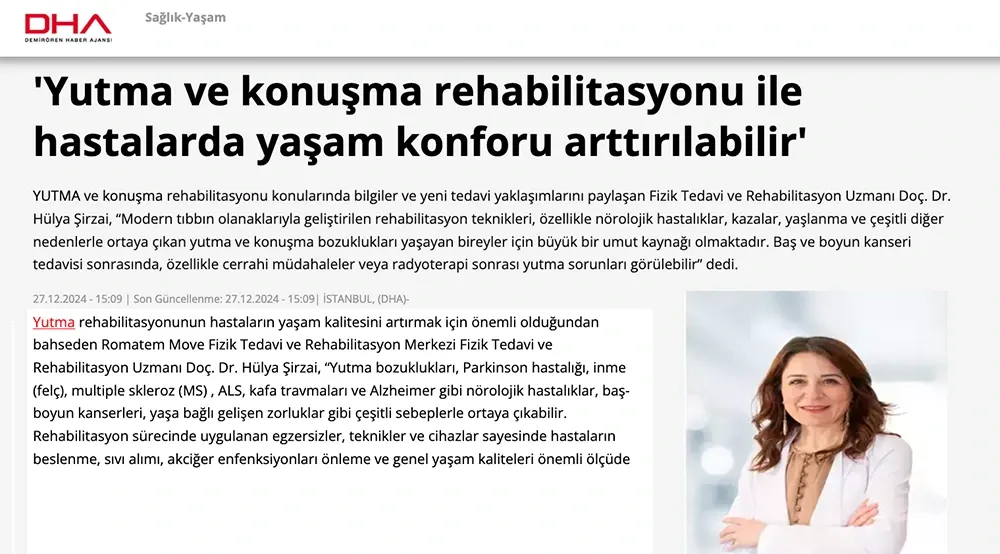
Assoc. Prof. Dr. Hülya Şirzai, physical medicine and rehabilitation specialist at Romatem Move, said rehabilitation techniques developed with modern medicine are a source of hope for people with swallowing and speech disorders caused by neurological disease, accidents, ageing and other reasons, including swallowing problems after surgery or radiotherapy for head and neck cancer.
“Swallowing disorders can arise from Parkinson’s disease, stroke, multiple sclerosis, ALS, head injury and Alzheimer’s disease, from head and neck cancers, and from age-related difficulty. Through the exercises, techniques and devices used in rehabilitation, nutrition, fluid intake, prevention of lung infections and overall quality of life can be improved considerably,” she said.
Swallowing problems after stroke are common
“Parkinson’s patients can have difficulty swallowing and a build-up of saliva; rehabilitation includes exercises to coordinate the muscles and strengthen swallowing. Swallowing disorders after stroke are a common problem, and swallowing rehabilitation helps these patients eat and drink safely again. Problems can also follow multiple sclerosis and head and neck cancer treatment, especially after surgery or radiotherapy; the therapy used allows patients to keep eating safely.”
Speech disorders and how they are treated
Speech rehabilitation does more than restore pronunciation, Dr. Şirzai said: it helps people regain their social life. Speech disorders can develop with neurological disease, vocal cord problems, head injury and age, and individually planned therapy is effective.
“Aphasia, a language disorder that can follow stroke, causes difficulty with speaking and understanding language; specific speech therapy helps people regain language skills. Dysarthria, the loss of control of the speech muscles after neurological disease, is treated with a comprehensive plan so that voice control and correct articulation can be relearned. Voice therapy addresses vocal cord problems, damage from shouting or misuse of the voice, and changes after surgery, by teaching correct use of the vocal cords.”
“Every treatment has to be individualised. Swallowing and speech disorders are not only physical; they have a psychological effect too. The plan therefore takes the person’s emotional state, psychological support and adherence into account. Swallowing and speech rehabilitation is not only medical treatment but a field that lets people communicate freely and live a healthy life.”
Original title
Yutma ve konuşma rehabilitasyonu ile hastalarda yaşam konforu arttırılabilir — DHA
News
More news
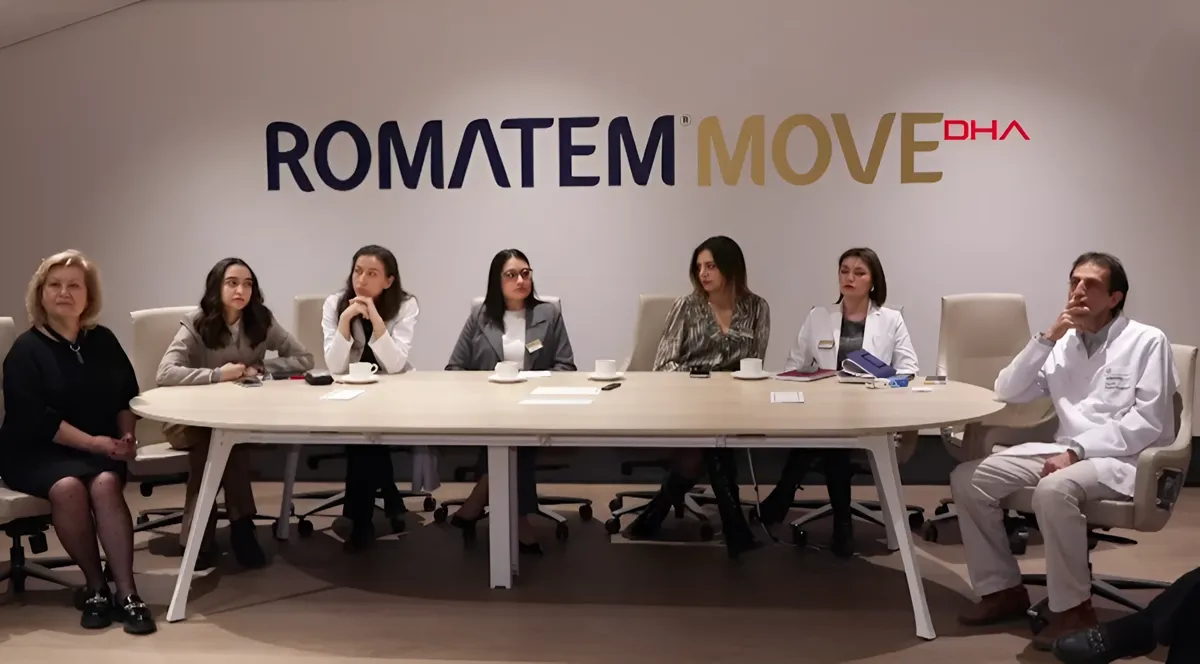 Our clinicians in the pressEarly intervention after stroke saves livesAt a “Stroke School” for patients and families at Romatem Move Çamlıca, neurologist Dr.
 Our clinicians in the pressSpinal cord injury rehabilitation has to be planned for the individualProf. Dr.
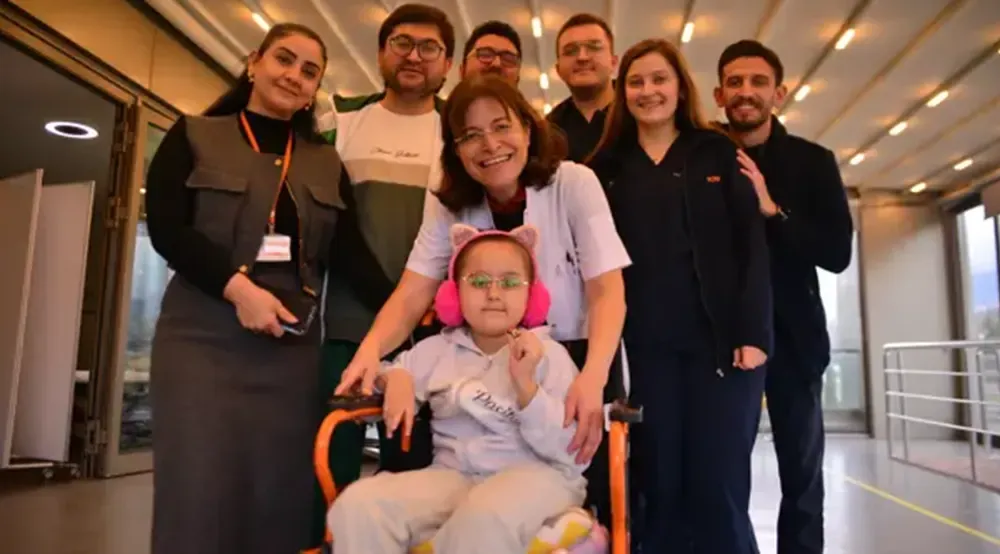 Our clinicians in the pressIndividually planned treatment for MS and Parkinson’s diseaseA rehabilitation unit built for MS, Parkinson’s and cognitive patients: what a five-person team does for gait, balance and memory, and how the work continues at home.



