
Oncological rehabilitation can raise quality of life after cancer treatment
Assoc. Prof. Dr. Seçil Pervane on the physical, psychological and social side of recovery after cancer treatment, and why the programme has to be individual.
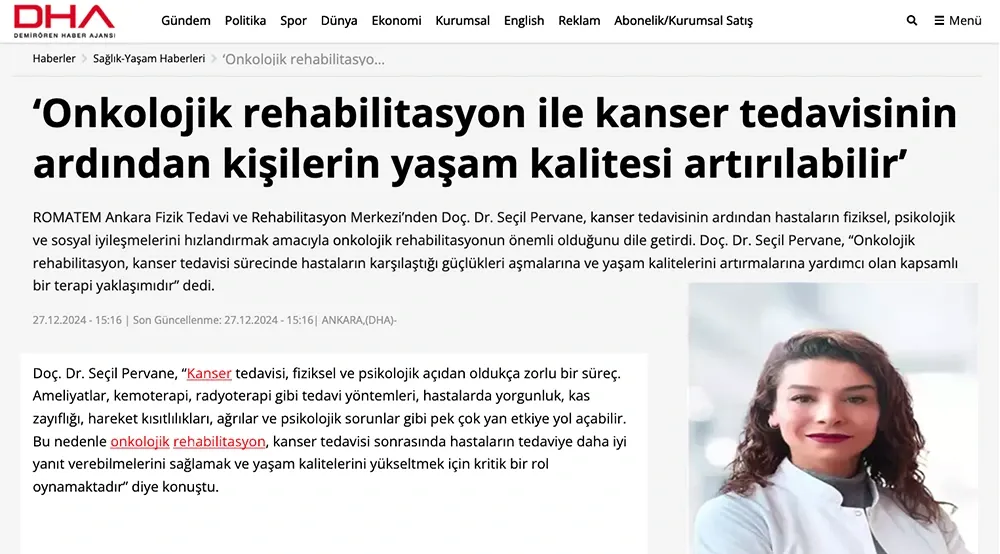
Assoc. Prof. Dr. Seçil Pervane of Romatem Ankara Physical Therapy and Rehabilitation Centre said oncological rehabilitation is important for speeding up physical, psychological and social recovery after cancer treatment. “It is a comprehensive approach that helps patients overcome the difficulties they meet during treatment and raise their quality of life.”
“Cancer treatment is a hard process physically and psychologically. Surgery, chemotherapy and radiotherapy can cause fatigue, muscle weakness, restricted movement, pain and psychological problems. Oncological rehabilitation therefore has a critical role in helping patients respond better to treatment and live better afterwards,” she said.
Physical recovery
“Oncological rehabilitation targets psychological as well as physical recovery. It offers exercise programmes designed for patients in cancer treatment, pain management techniques, nutritional support, psychological therapy and social reintegration programmes. For the weakness, fatigue, balance problems, restricted movement and pain that chemotherapy and radiotherapy can cause, individual exercise, physical therapy techniques and pain management strengthen physical health.”
The psychological side
Depression, anxiety and stress are common during cancer treatment. “Therapeutic support helps patients cope, and with psychological support their adherence to treatment also improves. One of the most common problems after cancer treatment is severe fatigue; rehabilitation aims to raise energy levels with exercise designed for it and with rest strategies.”
Every programme has to be individual
“Rehabilitation also supports patients socially, helping them overcome the difficulties they meet in daily activities after treatment. Every patient responds to treatment differently, so every rehabilitation programme must be planned for the individual. Modern physical therapy techniques, exercise therapy and psychological support are used together, and regular follow-up and progress assessments during treatment speed up recovery.”
News
More news
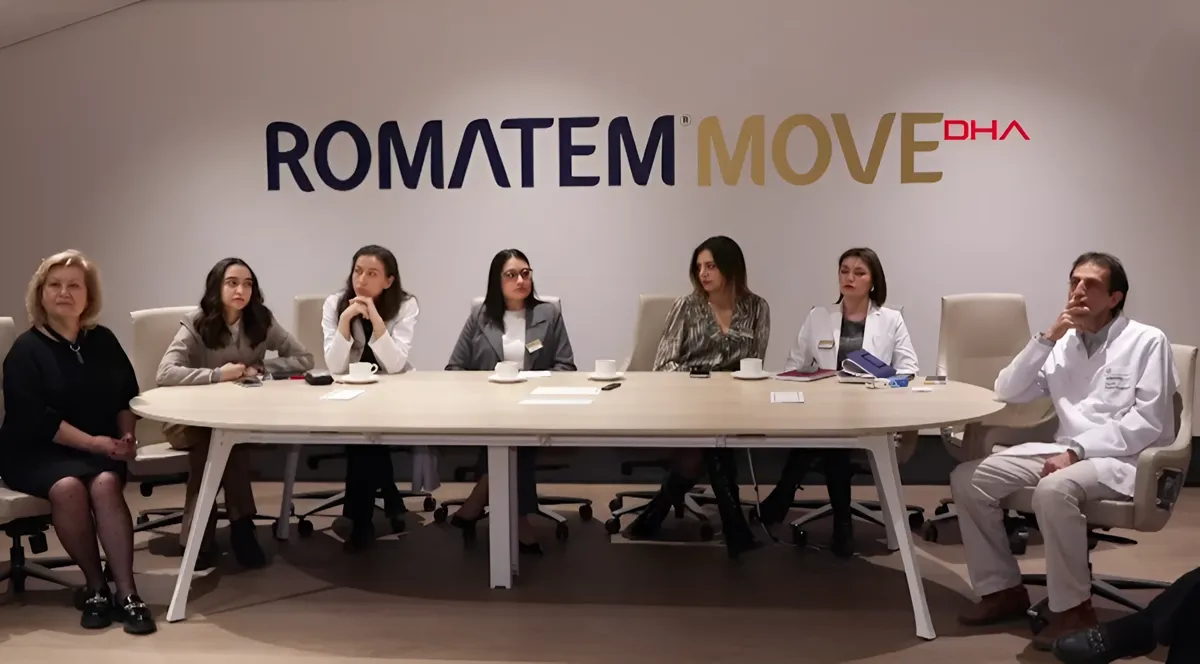 Our clinicians in the pressEarly intervention after stroke saves livesAt a “Stroke School” for patients and families at Romatem Move Çamlıca, neurologist Dr.
 Our clinicians in the pressSpinal cord injury rehabilitation has to be planned for the individualProf. Dr.
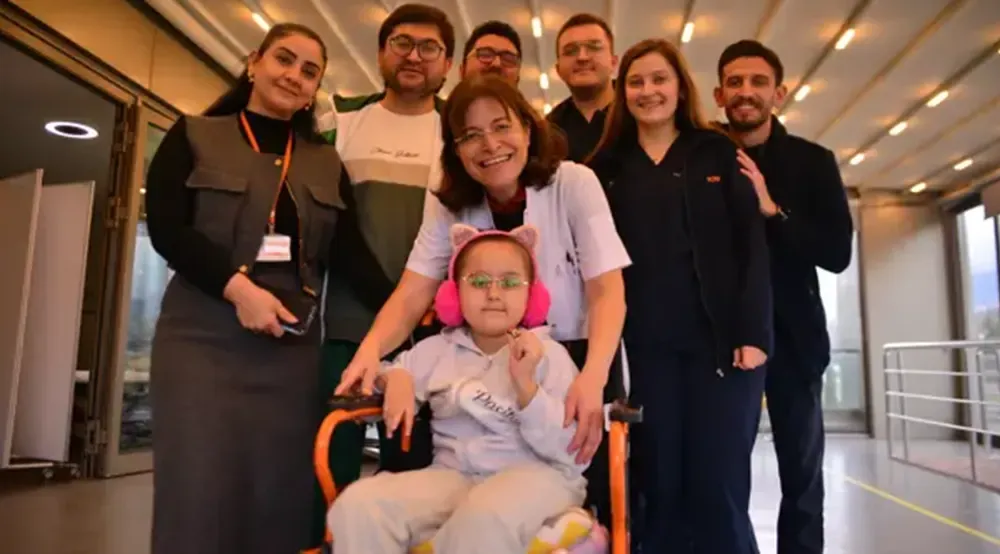 Our clinicians in the pressIndividually planned treatment for MS and Parkinson’s diseaseA rehabilitation unit built for MS, Parkinson’s and cognitive patients: what a five-person team does for gait, balance and memory, and how the work continues at home.



